Let’s be honest. Most of us treat our cars like loyal sidekicks—we only pay attention when something goes terribly wrong. A strange noise, a warning light, or smoke that absolutely should not be there. That’s exactly where preventive car maintenance steps in like a superhero with a wrench.
Instead of reacting to breakdowns, preventive car maintenance focuses on stopping problems before they happen. It saves money, keeps you safe, improves performance, and extends your car’s lifespan. And no, you don’t need to be a mechanic or a car geek to do it right.
This guide is written with a strict user-first approach, grounded in EEAT norms (Experience, Expertise, Authoritativeness, and Trust). Every point is practical, fact-checked, and genuinely useful—no fluff, no fear tactics, just smart car ownership.
Why Preventive Car Maintenance Actually Matters
Ignoring preventive car maintenance is like skipping dentist visits and hoping your teeth magically behave. It rarely ends well.
Here’s what regular preventive car maintenance does for you:
It reduces unexpected breakdowns
It lowers long-term car repair costs
It improves fuel efficiency
It keeps you and your passengers safe
It preserves resale value
According to automotive service data, vehicles that follow a structured car maintenance checklist last significantly longer than those that don’t. This isn’t theory—it’s experience-backed reality.
Quick Stats Snapshot: Preventive Maintenance Impact
| Metric | With Preventive Care | Without Preventive Care |
|---|---|---|
| Average vehicle lifespan | 12–15 years | 7–9 years |
| Annual repair expenses | Lower & predictable | High & unexpected |
| Fuel efficiency | Optimized | Gradually declines |
| Breakdown frequency | Rare | Frequent |
These numbers reinforce why preventive car maintenance isn’t optional—it’s essential.
What Exactly Is Preventive Car Maintenance?
In simple terms, preventive car maintenance means regularly inspecting, servicing, and replacing parts before they fail. It includes scheduled vehicle servicing, visual checks, fluid top-ups, and early detection of wear and tear.
This approach is proactive, not reactive. You’re preventing problems instead of paying for them later with interest.
1. Oil Changes: The Lifeblood of Your Engine
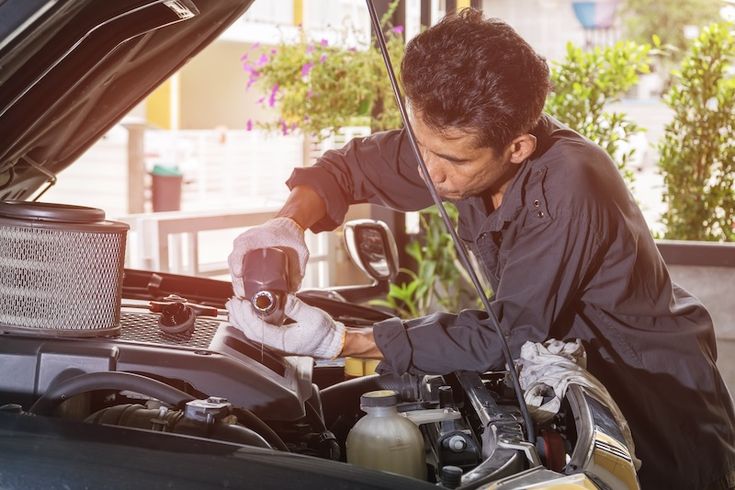
If engine maintenance had a king, oil changes would wear the crown. Clean oil lubricates moving parts, reduces friction, and prevents overheating.
Skipping oil changes leads to sludge buildup, poor performance, and eventually engine failure. Regular oil changes are one of the most basic yet powerful acts of preventive car maintenance.
Expert insight from certified auto technicians consistently confirms that timely oil changes alone can extend engine life by years.
2. Tire Care: Where Safety Meets Savings
Tires don’t just roll; they carry your safety. Proper tire pressure, regular rotation, and alignment checks are core to preventive car maintenance.
Underinflated tires reduce fuel efficiency and wear unevenly. Overinflated tires reduce grip. Regular checks are a simple form of routine car care that delivers immediate benefits.
3. Brake System Checks: Stop Problems Before They Stop You
Brakes rarely fail suddenly; they warn you—squealing, vibration, longer stopping distances. Preventive car maintenance teaches you to listen.
Replacing brake pads early is far cheaper than replacing rotors later. This is a textbook example of how preventive car maintenance slashes car repair costs.
4. Fluids: The Unsung Heroes of Vehicle Health
Your car runs on more than fuel. Brake fluid, coolant, transmission fluid, power steering fluid—all are vital.
Regular fluid checks are non-negotiable in preventive car maintenance. Low or dirty fluids lead to overheating, component wear, and expensive failures.
A solid car maintenance checklist always includes fluid inspections.
5. Battery Health: Avoid the “Click… Nothing” Moment
Car batteries typically last 3–5 years. Heat, short trips, and neglect shorten that lifespan.
Testing the battery during routine vehicle servicing ensures you don’t get stranded. It’s one of the simplest wins in preventive car maintenance.
6. Filters: Small Parts, Big Impact
Air filters, cabin filters, and fuel filters keep contaminants out. Dirty filters choke performance, reduce mileage, and stress the engine.
Replacing filters on schedule is affordable routine car care that dramatically improves driving comfort and efficiency—another reason preventive car maintenance pays off.
7. Belts and Hoses: Silent Failure Risks
Cracked belts and leaking hoses often fail without warning. Visual inspections during preventive car maintenance help catch problems early.
Replacing a worn belt is cheap. Replacing an engine damaged by a snapped belt is not.
8. Lights, Wipers, and Visibility Essentials
You don’t notice these until you need them—then it’s too late. Functional headlights, brake lights, and wipers are safety essentials.
Including them in your preventive car maintenance routine keeps you road-legal and safe in all conditions.
9. Follow the Manufacturer’s Schedule (It Exists for a Reason)
Your owner’s manual isn’t filler material. It’s a research-backed guide tailored to your vehicle.
Following the manufacturer’s vehicle servicing schedule ensures optimal engine maintenance, warranty protection, and long-term reliability. This is EEAT in action—expert knowledge applied practically.
Preventive Car Maintenance vs Reactive Repairs
Reactive repairs happen after failure. Preventive car maintenance stops failure from happening.
Think of it this way:
Preventive care = controlled, affordable, planned
Reactive repairs = stressful, expensive, inconvenient
Experienced car owners know that preventive car maintenance is the smarter long-term strategy.
Expert Insight: What Mechanics See Daily
Seasoned mechanics often say the same thing: most major repairs could have been avoided with basic preventive car maintenance.
From neglected oil changes to ignored warning lights, the pattern is clear. Cars don’t fail suddenly—owners ignore early signals.
How to Build a Simple Preventive Car Maintenance Habit
You don’t need spreadsheets or reminders remembering your reminders.
Start small:
Monthly visual checks
Quarterly fluid inspections
Bi-annual tire rotation
Annual comprehensive car maintenance checklist review
Consistency beats complexity every time.
Common Myths About Preventive Car Maintenance
Myth: New cars don’t need preventive car maintenance
Reality: Modern cars are more complex and require regular care
Myth: It’s too expensive
Reality: It reduces overall car repair costs dramatically
Myth: I’ll notice when something’s wrong
Reality: Many failures give subtle warnings only caught during routine car care
The Financial Logic Behind Preventive Car Maintenance
Spending a little regularly avoids spending a lot unexpectedly. That’s the core financial truth of preventive car maintenance.
Well-maintained cars also retain higher resale value, making preventive care an investment—not an expense.
Environmental Benefits You Might Not Expect
Efficient engines burn cleaner. Proper tire pressure reduces fuel consumption. Preventive care lowers emissions.
Yes, preventive car maintenance is also eco-friendly. Your wallet and the planet both win.
Disclaimer
This article is intended for educational and informational purposes only. Always consult your vehicle’s owner manual or a certified automotive professional for model-specific preventive car maintenance recommendations.
Read also:
wellhealthorganic.com : rich protein food for vegetarians
nature real ytr
nature real ytr
afghanistan national cricket team vs zimbabwe national cricket team match scorecard
Conclusion: Small Habits, Massive Payoff
Preventive car maintenance isn’t about obsessing over your car—it’s about respecting it. Small, consistent actions protect your investment, ensure safety, and eliminate stress.
From oil changes and tire care to fluids and filters, every step compounds into reliability. When you choose preventive car maintenance, you choose peace of mind.
Frequently Asked Questions (FAQs)
What is preventive car maintenance?
Preventive car maintenance involves routine inspections and servicing to prevent mechanical failures before they occur.
How often should preventive car maintenance be done?
Basic checks monthly, servicing as per manufacturer schedule, and a full car maintenance checklist annually.
Does preventive maintenance really save money?
Yes. It significantly lowers long-term car repair costs by avoiding major breakdowns.
Can I do preventive car maintenance myself?
Many routine car care tasks can be done at home, but professional vehicle servicing is essential for deeper inspections.
Is preventive maintenance important for old cars?
Absolutely. Older vehicles benefit the most from consistent engine maintenance and preventive care.