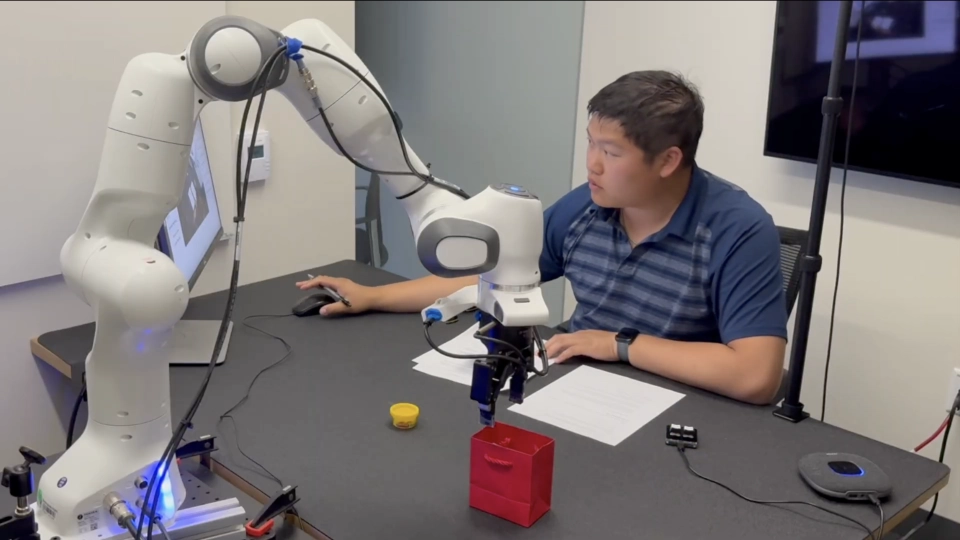
Robotics in daily life is no longer a futuristic fantasy reserved for science fiction movies. It’s quietly becoming part of our routines, helping us clean our homes, assist in surgeries, deliver packages, and even support elderly care.
A decade ago, the idea of having robots at home sounded extravagant. Today, robotic vacuum cleaners glide across living room floors while we’re at work. Smart assistants respond to voice commands in seconds. Automation is blending into everyday habits so naturally that we often don’t notice it anymore.
The real story isn’t about machines replacing humans. It’s about how robotics enhances convenience, safety, and productivity in practical, meaningful ways.
Table of Contents
ToggleThe Evolution of Robotics in Daily Life
Robots were once confined to industrial factories, performing repetitive tasks on assembly lines. Companies like Toyota and General Motors pioneered robotic automation in manufacturing decades ago.
Those early robots were powerful but rigid. They operated in controlled environments and required strict programming. Fast forward to today, and robotics has become more adaptive, collaborative, and intelligent.
Advancements in artificial intelligence, machine learning, and sensor technology have transformed robotic capabilities. Modern robots can navigate unpredictable environments, recognize objects, and even learn from user behavior.
This transformation is what drives modern Robotics in daily life, making it accessible beyond factories and research labs.
Smart Homes and Everyday Automation
Step into a modern smart home, and you’ll see robotics working quietly behind the scenes.
Robotic vacuum cleaners such as those developed by iRobot have changed household cleaning. These devices map rooms, detect obstacles, and schedule cleaning cycles automatically.
Kitchen automation is also evolving. Smart appliances can adjust cooking settings based on food type. Lawn-mowing robots maintain gardens with minimal human supervision.
These technologies save time, reduce manual effort, and allow families to focus on more meaningful activities. Instead of spending weekends cleaning floors, homeowners can relax or pursue hobbies.
The integration of robotics into home systems shows how practical Robotics in daily life has become.
Healthcare Revolution Through Robotics in Daily Life
Healthcare is one of the most impactful areas where robotics is making a difference.
Robotic-assisted surgery systems like those developed by Intuitive Surgical enable surgeons to perform minimally invasive procedures with enhanced precision.
Rehabilitation robots assist patients recovering from strokes or injuries. These systems provide consistent therapy sessions, improving recovery outcomes.
Elderly care robots are also emerging. In countries with aging populations, such as Japan, robotic companions help seniors with mobility and daily tasks.
During the COVID-19 pandemic, hospitals experimented with robots for disinfecting rooms and delivering supplies, reducing exposure risks for medical staff.
This expanding ecosystem highlights how Robotics in daily life directly improves safety and quality of care.
Robotics in Education and Learning Environments
Education is another field experiencing robotic integration.
Interactive robots are used in classrooms to teach coding and problem-solving. Students learn robotics concepts by building and programming small robots, making STEM education more engaging.
Children with special needs benefit from robotic learning assistants that help develop communication skills.
Universities are conducting advanced research in robotics engineering, preparing students for careers in automation and AI.
As robotics becomes part of educational curricula, younger generations grow comfortable interacting with intelligent machines. This normalization supports the expansion of Robotics in daily life across society.
Retail and Customer Service Automation
Retail stores are increasingly using robotics to enhance customer experience.
Autonomous robots scan shelves to track inventory levels. This ensures products remain stocked and reduces manual checking time.
In some airports and malls, robotic guides assist visitors by providing directions and information.
E-commerce giants like Amazon rely heavily on warehouse robots to manage logistics. These robots move shelves, sort packages, and speed up order fulfillment.
The result is faster delivery times and improved operational efficiency. For customers, this automation often translates into convenience without noticeable complexity.
These developments show how seamlessly Robotics in daily life supports commerce and service industries.
Transportation and Autonomous Mobility
Autonomous vehicles represent one of the most visible examples of robotics integration.
Companies such as Tesla are developing self-driving technologies that combine robotics with advanced AI systems.
Delivery robots are already being tested in urban neighborhoods, transporting groceries and small parcels.
Public transportation systems are experimenting with autonomous buses and trains, aiming to improve safety and reduce human error.
While full autonomy is still under refinement, robotics in mobility continues to evolve rapidly.
This progress reinforces the expanding scope of Robotics in daily life in both personal and public transportation.
Workplace Collaboration with Robots
Modern robotics is shifting from isolated machines to collaborative robots, often called cobots.
Unlike traditional industrial robots, cobots work alongside humans safely. They assist with heavy lifting, repetitive assembly tasks, and precision operations.
Small and medium-sized businesses can now afford robotic systems that were once limited to large corporations.
Automation doesn’t eliminate jobs entirely. Instead, it often transforms roles, allowing workers to focus on creative, strategic, or supervisory responsibilities.
This collaborative approach makes Robotics in daily life a partnership rather than a replacement scenario.
Robotics in Agriculture and Food Production
Agriculture is benefiting significantly from robotic innovation.
Autonomous tractors and harvesters optimize crop production. Drones monitor fields for irrigation needs and pest control.
Robotic fruit pickers reduce labor shortages and improve efficiency during harvest seasons.
In food production facilities, robotic systems maintain hygiene standards and increase processing speed.
These technologies help meet growing global food demands while improving sustainability.
The agricultural transformation demonstrates the broad societal impact of Robotics in daily life.
Emotional and Social Interaction with Robots
One surprising development in robotics is emotional interaction.
Social robots are designed to recognize facial expressions and respond conversationally. They are used in therapy sessions, childcare centers, and elderly homes.
For children with autism, robotic companions can provide structured interaction that supports communication skills.
These applications highlight the human-centered design approach in modern robotics.
By focusing on empathy and interaction, developers ensure that Robotics in daily life supports emotional well-being alongside physical tasks.
Ethical Considerations and Safety Concerns
With growing adoption comes responsibility.
Data privacy is a major concern, especially for home robots equipped with cameras and microphones. Manufacturers must prioritize encryption and secure data handling.
Job displacement fears also arise as automation expands. Policymakers and organizations must invest in workforce reskilling programs.
Safety standards are continuously evolving to ensure robots operate without causing harm.
Transparent regulations and ethical design frameworks strengthen public trust in Robotics in daily life.
Economic Impact and Market Growth
The global robotics market is expanding rapidly.
Research institutions and technology companies are investing billions into robotics innovation.
Startups are entering niche markets, developing specialized robots for cleaning solar panels, inspecting pipelines, or assisting in hospitality.
Economic growth fueled by robotics creates new job categories in programming, maintenance, and design.
As investment accelerates, the accessibility and affordability of robotic solutions continue to improve.
This momentum ensures that Robotics in daily life will become even more integrated in the coming decade.
The Role of Artificial Intelligence in Robotics
Artificial intelligence is the brain behind modern robotics.
Machine learning enables robots to adapt to new environments. Computer vision allows them to recognize objects and people.
Natural language processing helps robots understand voice commands more accurately.
Without AI, robotics would remain rigid and limited. With AI integration, machines become flexible and context-aware.
The synergy between AI and robotics strengthens the capabilities of Robotics in daily life, making systems smarter and more intuitive.
A Personal Perspective on Living with Robots
Imagine coming home after a long day at work. The floor is clean, the temperature is adjusted automatically, and groceries ordered online are already sorted in your kitchen.
An elderly family member receives daily health monitoring through a wearable device connected to a home robot.
Your child learns programming basics by interacting with a small educational robot.
These aren’t distant possibilities. They are realities in many households today.
The quiet integration of robotics into daily routines reflects a shift toward convenience, efficiency, and safety.
As innovation continues, the boundaries between humans and machines will likely become more collaborative rather than competitive.
The story of robotics isn’t about replacing human capability. It’s about enhancing it in subtle but powerful ways.
And as adoption grows steadily across industries and homes, robotics will continue shaping how we live, work, and connect with the world around us.
Read also :-