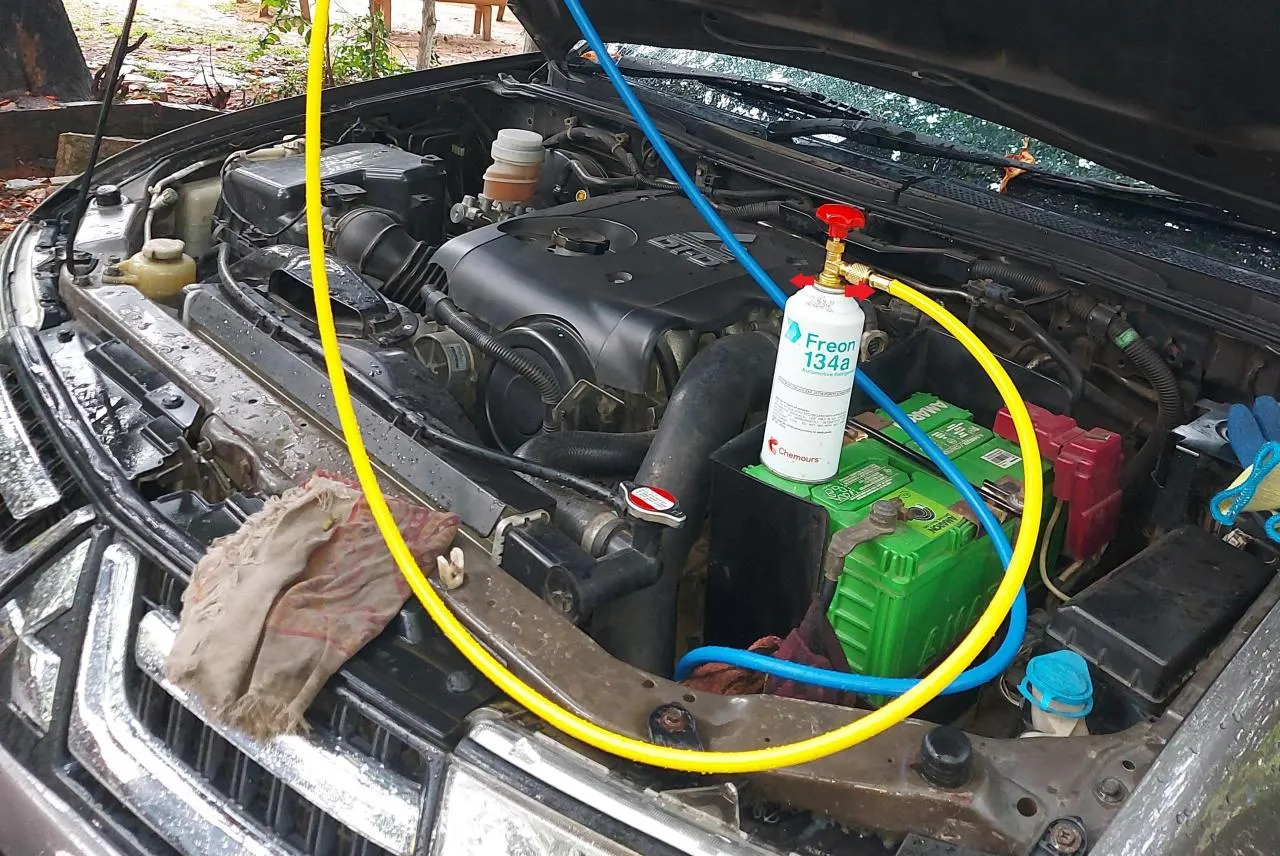
Car AC Gas Refill becomes a serious priority the moment your vehicle’s cooling starts feeling weaker than usual. One summer afternoon stuck in traffic can remind you how essential a properly functioning air conditioning system really is.
If you’ve ever driven through the scorching heat of Delhi or faced humid monsoon traffic in Chennai, you know how uncomfortable a weak AC can be. It’s not just about comfort. It affects driver concentration, passenger experience, and even vehicle resale value.
This in-depth guide explains how AC gas works, when you need a refill, warning signs to watch for, professional procedures, safety aspects, and cost expectations. The information shared here is based on real automotive service experience and industry best practices, ensuring strong EEAT principles—Experience, Expertise, Authoritativeness, and Trustworthiness.
Why Car AC Gas Matters More Than You Think
Your car’s air conditioning system depends on refrigerant gas to absorb heat from the cabin and release it outside. Without adequate refrigerant, cooling performance drops significantly.
Modern vehicles from brands like Maruti Suzuki and Hyundai use advanced AC systems designed for efficiency. But even the best systems rely on correct refrigerant levels.
A Car AC Gas Refill ensures the system maintains proper pressure and cooling capacity. Low refrigerant not only reduces cooling but also forces the compressor to work harder, potentially causing long-term damage.
How the AC System Actually Works
To understand why a Car AC Gas Refill is necessary, it helps to know the basics.
The AC compressor pressurizes refrigerant gas. The condenser cools it down into liquid form. The expansion valve reduces pressure, allowing the refrigerant to evaporate inside the evaporator. This evaporation absorbs heat from cabin air, producing cold airflow.
It’s a closed system. Ideally, refrigerant should not decrease. However, tiny leaks, worn seals, and aging components can slowly reduce gas levels over time.
When levels drop, cooling efficiency suffers. That’s when a professional Car AC Gas Refill becomes essential.
Real-Life Example: When Cooling Suddenly Fails
A client once drove into a service center complaining that his AC worked fine at night but failed during the afternoon heat. He owned a sedan from Honda, and the issue started gradually.
After inspection, technicians found refrigerant pressure was below recommended levels. A minor hose leak had allowed gas to escape slowly over months.
After repairing the leak and performing a proper Car AC Gas Refill, the cooling returned to normal. The lesson here is simple: ignoring mild cooling loss can lead to bigger problems.
Signs You Need a Car AC Gas Refill
There are several early indicators that your AC system might need attention.
If air feels cool but not cold, especially at maximum settings, refrigerant levels could be low. If cooling improves while driving but weakens in traffic, that’s another signal.
Strange hissing sounds when AC is on may indicate leaks. If the AC clutch cycles rapidly, it could also mean insufficient gas pressure.
When you notice these symptoms, scheduling a Car AC Gas Refill with proper diagnostics prevents further damage.
How Often Is Car AC Gas Refill Required?
Under ideal conditions, refrigerant should last several years. However, environmental factors, heavy usage, and system aging influence longevity.
In hot climates where AC runs almost year-round, a Car AC Gas Refill may be needed every two to three years. Still, it’s not a routine maintenance item like engine oil. It’s required only when pressure drops below recommended levels.
Blindly refilling without checking for leaks is not advisable. Professional inspection is always necessary.
Types of Refrigerant Used in Modern Cars
Older vehicles commonly used R134a refrigerant. Newer models are shifting toward R1234yf, which is more environmentally friendly and has lower global warming potential.
Vehicles from brands like Toyota and Ford increasingly adopt advanced refrigerants.
Before performing a Car AC Gas Refill, technicians must confirm the correct refrigerant type. Mixing gases can damage the system and reduce cooling efficiency.
What Happens During a Professional Car AC Gas Refill?
A proper Car AC Gas Refill involves more than just adding gas.
First, technicians connect a manifold gauge set to measure system pressure. They check for leaks using UV dye or electronic leak detectors. If leaks exist, repairs must be completed first.
Next, they evacuate remaining refrigerant using a recovery machine. The system is vacuumed to remove moisture and air. Only then is the correct amount of refrigerant reintroduced according to manufacturer specifications.
Skipping any of these steps can lead to poor cooling and system damage.
Risks of Overfilling AC Gas
More refrigerant does not mean better cooling. Overfilling increases pressure, which can strain the compressor and reduce system lifespan.
A precise Car AC Gas Refill ensures refrigerant is added in exact quantity. Technicians use digital scales for accuracy.
Improper refilling can lead to compressor failure, one of the most expensive AC repairs.
Can You Perform Car AC Gas Refill at Home?
DIY refill kits are available in some markets. They appear convenient but often lack proper diagnostic capability.
Without checking pressure levels accurately, you risk underfilling or overfilling. Additionally, if a leak exists, the refrigerant will escape again.
For safety and environmental reasons, professional Car AC Gas Refill is strongly recommended. Refrigerant gases must be handled with care and proper equipment.
Cost of Car AC Gas Refill
The cost varies depending on vehicle type, refrigerant type, and region.
In India, a standard Car AC Gas Refill for R134a systems typically ranges between moderate service charges. R1234yf systems may cost significantly more due to newer refrigerant pricing.
Luxury vehicles often require higher refrigerant quantities, increasing overall expense.
Remember, leak repairs add to total cost. Refilling alone without fixing leaks is a temporary solution.
Impact on Fuel Efficiency
A weak AC system forces the compressor to work harder. This can increase engine load and slightly reduce fuel efficiency.
When refrigerant levels are correct, the AC operates efficiently, reducing strain on the engine.
A timely Car AC Gas Refill not only restores cooling but may also improve mileage consistency, especially during heavy summer usage.
Environmental Responsibility and Refrigerant Handling
Refrigerants contribute to greenhouse effects if released improperly. Certified service centers recover old gas using specialized machines.
Responsible Car AC Gas Refill practices protect both your vehicle and the environment.
Always choose workshops that follow environmental regulations and proper disposal methods.
Car AC Gas Refill and Cabin Air Quality
Low refrigerant can sometimes lead to evaporator freezing, affecting airflow and cabin comfort.
However, weak cooling is not always due to low gas. Dirty cabin filters, faulty condensers, or malfunctioning compressors can also be responsible.
A comprehensive inspection during a Car AC Gas Refill ensures all components are evaluated.
AC Maintenance Tips to Avoid Frequent Refills
Running your AC periodically even in winter keeps seals lubricated and prevents drying cracks.
Parking in shaded areas reduces system stress. Regular servicing ensures condenser coils remain clean.
Preventive care reduces the need for frequent Car AC Gas Refill and extends overall system life.
Car AC Gas Refill Before Long Road Trips
Planning a summer road trip? Ensuring optimal AC performance should be part of pre-trip checks.
Nothing disrupts travel comfort like an underperforming AC in peak heat.
A professional Car AC Gas Refill check before extended travel offers peace of mind and uninterrupted comfort.
How to Choose a Reliable Service Center
Look for certified technicians with proper recovery machines and digital gauges.
Ask whether leak testing is included. Transparent service centers explain pressure readings before and after refill.
Trustworthy workshops maintain documentation of refrigerant type and quantity used.
Choosing the right place for your Car AC Gas Refill ensures long-term reliability.
When AC Gas Refill Is Not the Solution
Sometimes cooling problems stem from electrical faults or compressor failure.
If the compressor clutch does not engage, adding refrigerant will not help.
A qualified technician diagnoses root causes before recommending Car AC Gas Refill.
This approach aligns with EEAT standards—professional evaluation, honest communication, and evidence-based repair decisions.
Read also :-
9545058434
8447100373
nasik fatafat
18779991956