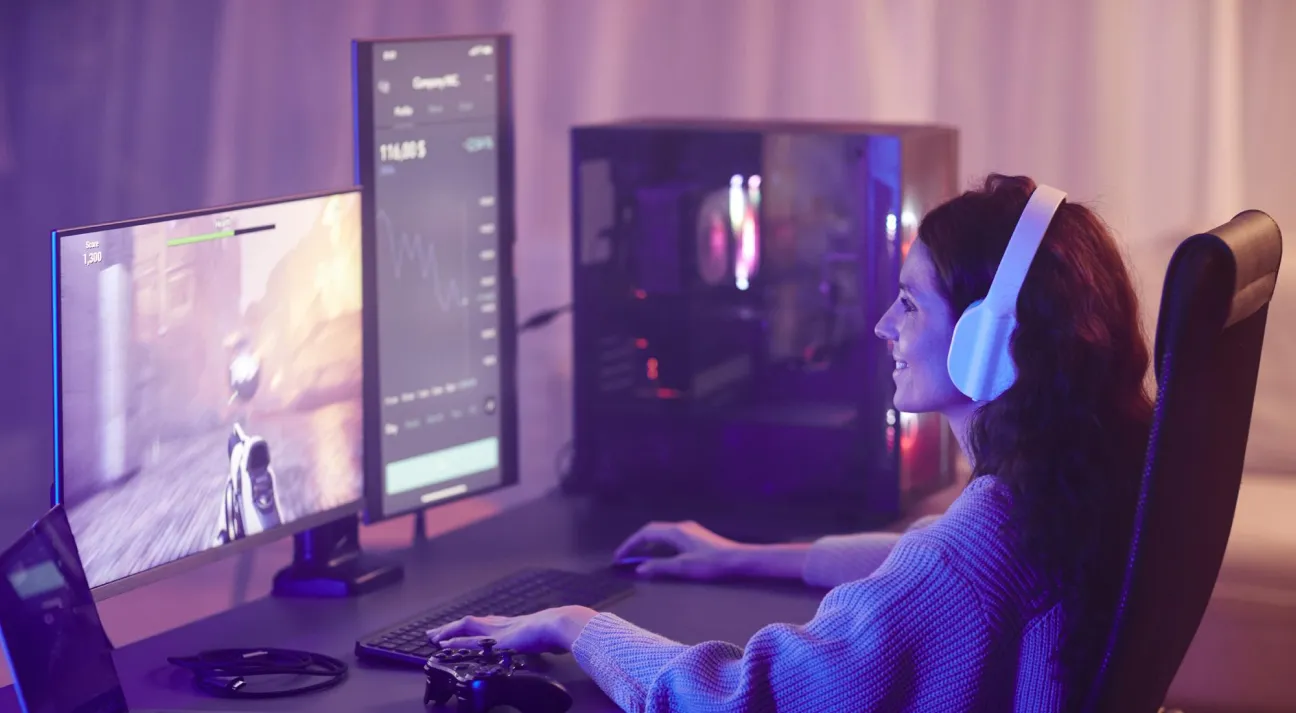
Indie game development trends are transforming the gaming world in ways that few could have imagined a decade ago. Once dominated by big-budget studios, the gaming industry is now driven by small teams and solo creators who are redefining storytelling, gameplay mechanics, and player engagement. Indie developers are no longer just hobbyists working in their bedrooms; many are professional creators building sustainable businesses with passionate communities around their games.
The rise of indie gaming is fueled by accessible development tools, digital distribution platforms, and a global audience eager for unique experiences. Players today crave authenticity, emotional depth, and innovation—qualities that indie games often deliver better than mainstream titles. This article explores the most important shifts shaping the indie development landscape and how creators can leverage them to succeed.
The Rise of Solo Developers and Micro-Studios
One of the most noticeable Indie game development trends is the rise of solo developers and tiny teams. With powerful engines like Unity, Unreal Engine, and Godot, a single person can build a polished game that rivals titles from larger studios. These tools offer free or affordable access, extensive tutorials, and asset marketplaces that dramatically reduce development time.
Many successful indie games started as passion projects by solo developers. Titles like Stardew Valley and Undertale demonstrate how personal vision and dedication can resonate with millions of players. Micro-studios, often consisting of two to five developers, are also becoming common. These teams combine skills in programming, art, sound design, and marketing, allowing them to produce high-quality games without massive budgets.
This shift is empowering creators worldwide, including developers from emerging markets. The global nature of digital distribution means talent from India, Southeast Asia, and Eastern Europe can reach international audiences without needing a publisher.
Community-Driven Development and Early Access
Another major change is the growing importance of community-driven development. Developers now involve players early in the creation process through Early Access platforms, crowdfunding, and social media feedback loops. This approach reduces financial risk and ensures the game aligns with player expectations.
Early Access allows developers to release unfinished versions of their games, gather feedback, and improve gameplay mechanics before full launch. This iterative process strengthens player trust and creates a sense of ownership among fans. Communities on Discord, Reddit, and Steam forums often contribute ideas, report bugs, and even create mods that enhance the game’s longevity.
For indie developers, building a community is no longer optional. It is a critical marketing strategy and a powerful source of insights that can shape the final product.
Narrative-Driven and Emotionally Engaging Games
Storytelling has become a defining feature of modern indie games. Unlike blockbuster titles that focus heavily on graphics and action, indie developers often explore emotional, philosophical, and personal themes. Players are drawn to experiences that make them think, feel, and reflect.
Games like Celeste, Gris, and Spiritfarer tackle topics such as mental health, grief, and self-discovery. These narratives feel intimate because they often reflect the developer’s personal experiences. This authenticity builds emotional connections with players, making indie games memorable and shareable.
Narrative-driven design is not limited to text-heavy adventures. Many indie games use environmental storytelling, visual symbolism, and interactive mechanics to convey deeper meanings without long dialogues.
Cross-Platform Development and Cloud Gaming
Cross-platform development is another key area where Indie game development trends are evolving rapidly. Players expect to play games on multiple devices, including PC, consoles, mobile phones, and cloud platforms. Indie developers are increasingly building games that run across platforms using shared engines and frameworks.
Cloud gaming services like NVIDIA GeForce Now and Xbox Cloud Gaming are making high-quality games accessible without powerful hardware. This opens new opportunities for indie developers to reach players who may not own gaming PCs or consoles.
Developing cross-platform games requires careful optimization and testing, but the payoff is significant. A broader audience means higher revenue potential and greater brand recognition.
Procedural Generation and AI-Assisted Development
Procedural generation and artificial intelligence are reshaping how indie games are created. Procedural generation allows developers to create vast, dynamic worlds without manually designing every element. This technique is popular in roguelikes, sandbox games, and survival titles.
AI tools are also helping developers with art creation, sound design, and code optimization. These technologies reduce production time and allow small teams to compete with larger studios. While AI cannot replace human creativity, it acts as a powerful assistant that enhances productivity.
As AI tools become more accessible, indie developers can experiment with ambitious projects that were previously impossible for small teams.
Retro Aesthetics and Nostalgia-Driven Design
Nostalgia remains a powerful force in gaming, and indie developers are leveraging it creatively. Pixel art, chiptune music, and retro-inspired gameplay mechanics continue to attract players who grew up with classic consoles.
However, modern indie games often blend retro aesthetics with contemporary design principles. For example, they may use pixel art visuals but include advanced physics, deep narratives, and modern user interfaces. This combination appeals to both nostalgic gamers and younger audiences discovering retro-inspired styles for the first time.
Retro-inspired games are also cost-effective to produce, making them ideal for indie developers with limited resources.
Sustainable Monetization and Ethical Business Models
Monetization strategies are evolving as players become more conscious of ethical practices. Many indie developers are moving away from aggressive microtransactions and loot boxes. Instead, they focus on fair pricing, downloadable content expansions, and cosmetic-only purchases.
Subscription services like Xbox Game Pass and PlayStation Plus provide new revenue streams for indie developers. These platforms offer upfront deals or revenue-sharing models, giving developers financial stability and exposure to large audiences.
Transparency in pricing and content updates builds trust with players, which is crucial for long-term success.
Diversity and Inclusive Representation in Indie Games
Diversity and inclusion are becoming central themes in indie game design. Developers are creating games that represent different cultures, identities, and perspectives. This inclusivity resonates with a global audience and reflects the diverse backgrounds of indie creators.
Games featuring LGBTQ+ characters, diverse protagonists, and culturally rich settings are gaining popularity. Indie developers often have more creative freedom than large studios, allowing them to explore underrepresented stories without corporate constraints.
Inclusive design also extends to accessibility features, such as customizable controls, subtitles, and colorblind modes. These features ensure that games are playable by a wider audience, including people with disabilities.
The Role of Streaming and Content Creators
Streaming platforms like Twitch and YouTube have become powerful marketing tools for indie developers. A single viral stream can propel an unknown game to global fame. Developers often collaborate with influencers to showcase their games and gather feedback.
Stream-friendly features, such as interactive elements and viewer participation, are becoming more common. These features enhance engagement and create memorable moments that viewers share on social media.
For indie developers, understanding streaming culture is essential. Designing games with shareable moments, unique mechanics, and visual appeal can significantly boost visibility.
Technical Innovation in Indie Game Development
Technical innovation is not limited to big studios. Indie developers are pushing boundaries with experimental mechanics, unique art styles, and unconventional storytelling methods. Virtual reality, augmented reality, and mixed reality are becoming more accessible, enabling indie creators to explore immersive experiences.
Physics-based gameplay, dynamic soundscapes, and adaptive narratives are also gaining traction. These innovations enhance player immersion and differentiate indie games from mainstream titles.
Experimentation is at the heart of indie development. Developers often take risks that larger studios cannot, leading to groundbreaking experiences that redefine genres.
Indie Game Development Trends in Marketing and Discovery
Marketing is one of the biggest challenges for indie developers. With thousands of games released every year, standing out is difficult. Developers are using creative marketing strategies, including devlogs, behind-the-scenes content, and interactive demos.
Social media platforms like Twitter, TikTok, and Reddit are essential for building an audience. Developers share progress updates, concept art, and gameplay clips to generate interest. TikTok, in particular, has become a powerful discovery platform for indie games, with short videos reaching millions of viewers.
Search engine optimization, store page optimization, and community engagement are critical components of a successful marketing strategy.
Indie game development trends in Tools and Engines
Modern tools and engines are shaping the future of indie development. Godot is gaining popularity due to its open-source nature and flexibility. Unity and Unreal Engine continue to dominate, offering extensive features and cross-platform support.
Asset stores, plug-ins, and middleware solutions simplify development processes. Developers can purchase or download assets, scripts, and templates, reducing the need for custom development. This allows them to focus on creative aspects rather than technical challenges.
Version control systems, collaboration tools, and cloud-based workflows are also becoming standard, enabling remote teams to work efficiently.
Indie game development trends in Player-Centric Design
Player-centric design is a core principle of successful indie games. Developers prioritize user experience, intuitive controls, and meaningful progression systems. Feedback loops, difficulty customization, and accessibility options are integral to modern game design.
Indie developers often engage directly with players, responding to feedback and implementing requested features. This direct communication builds trust and loyalty, creating long-term fans who support future projects.
Player-centric design also includes ethical considerations, such as avoiding addictive mechanics and promoting healthy gaming habits.
Financial Sustainability and Indie Funding Models
Funding remains a significant challenge for indie developers, but new models are emerging. Crowdfunding platforms like Kickstarter and Patreon allow developers to secure funding directly from fans. Grants, incubators, and government programs also support indie development in some regions.
Publishers specializing in indie games provide marketing, funding, and distribution support while allowing developers to retain creative control. Revenue-sharing models and profit splits vary, but these partnerships can accelerate development and expand reach.
Financial planning, budgeting, and project management are essential skills for indie developers aiming to build sustainable businesses.
Globalization of Indie Game Development
Indie game development is no longer concentrated in a few countries. Developers from around the world are contributing unique perspectives and cultural influences. Localization tools and translation services enable developers to reach international markets.
Global game jams, online communities, and virtual conferences foster collaboration and knowledge sharing. Developers can learn from peers, showcase their projects, and find collaborators across borders.
This globalization enriches the indie ecosystem, resulting in diverse games that appeal to a wide range of players.
The Future Outlook of Indie Game Development
The future of indie gaming is bright and full of possibilities. As technology advances and tools become more accessible, more creators will enter the industry. Players will continue to seek authentic, innovative, and emotionally engaging experiences.
Indie developers will play a crucial role in shaping gaming culture, pushing boundaries, and exploring new forms of interactive storytelling. With the right combination of creativity, technical skills, and community engagement, indie developers can build successful careers and contribute to the evolving gaming landscape.
Read also:-
snap bsf planets
bsf list planet order
bsf list planets snapchat
turn2learn.pageind.com
meģasena