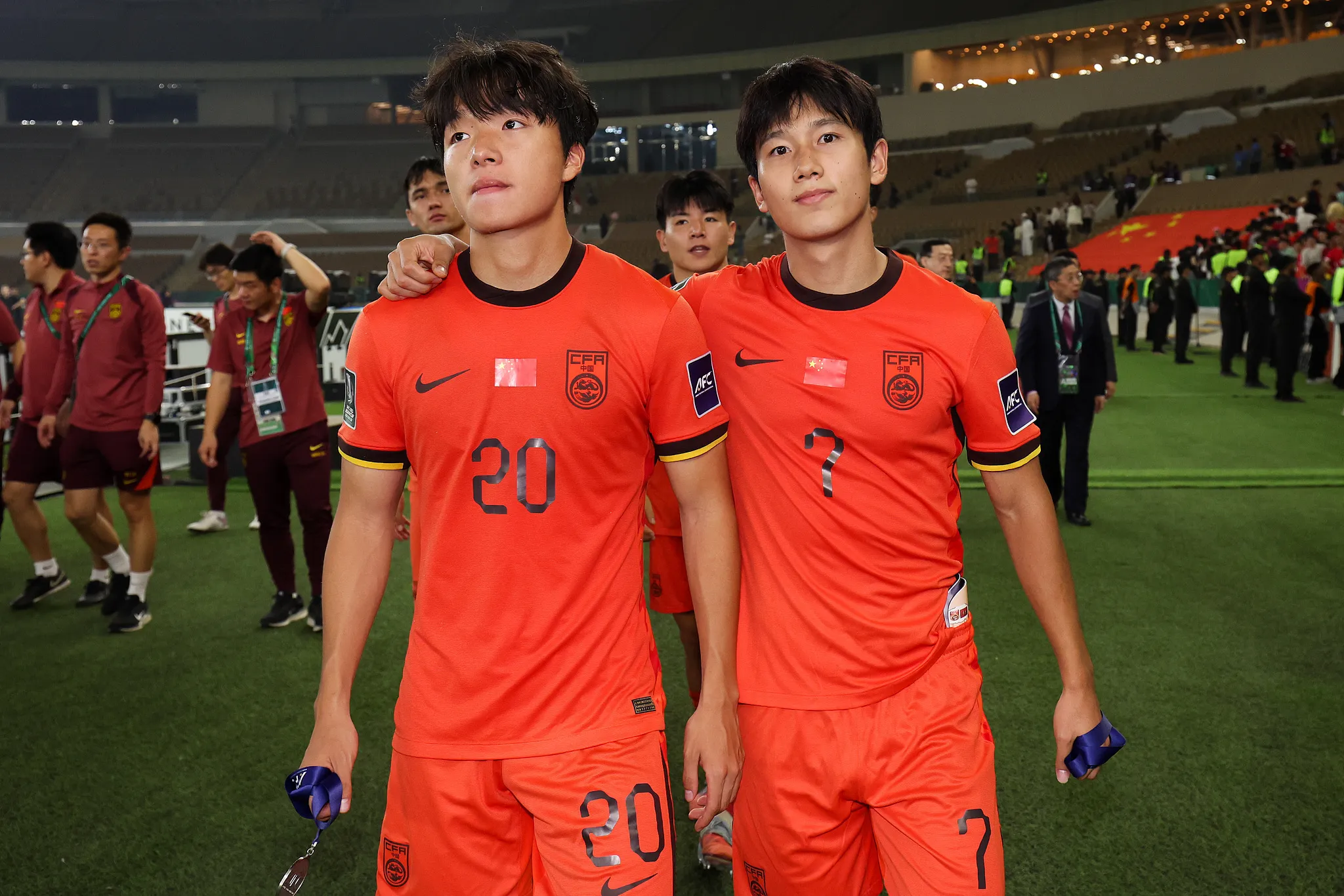
Asian Football Breakthrough is no longer just a distant dream or a marketing slogan; it is a living, breathing reality that is fundamentally altering the landscape of the global game. For decades, the narrative surrounding football in Asia was often framed through the lens of “potential” and “untapped markets,” implying a region that was perpetually catching up to Europe and South America. However, the last few years have witnessed a seismic shift where the continent has moved from the periphery to the very center of the footballing conversation. This transformation is driven by a unique blend of massive financial investment, sophisticated youth development programs, and a generation of players who are no longer content with just being part of the squad in elite European leagues.
The catalyst for this renewed global attention can be traced back to the stunning performances during the most recent major international tournaments. When Saudi Arabia defeated Argentina in the opening rounds of the World Cup in Qatar, it wasn’t just a shock result; it was a loud, defiant statement of intent. That match demonstrated that the tactical gap had closed significantly. The discipline, physical conditioning, and mental resilience shown by the Green Falcons provided a blueprint for what Asian teams could achieve when they stepped onto the pitch without fear. It was a moment that resonated far beyond the borders of Riyadh, sparking a sense of possibility across the entire AFC region.
Japan and South Korea followed suit, proving that their consistency on the world stage was the result of decades of meticulous planning. Japan’s victory over footballing giants like Germany and Spain was not a fluke of luck but a masterclass in tactical flexibility and technical precision. The “Blue Samurai” have developed a style of play that combines the traditional Japanese virtues of teamwork and work rate with a modern, high-pressing intensity that can unsettle any opponent. This collective excellence is a cornerstone of the modern Asian Football Breakthrough, showing that success is built on structural foundations rather than just individual brilliance.
Individual stars have, of course, played a massive role in changing perceptions. Son Heung-min of South Korea has become much more than just a successful export; he is a bona fide global icon. His journey from the youth ranks in Germany to becoming a Golden Boot winner in the English Premier League has shattered the glass ceiling for Asian players. Son’s success has provided a tangible path for millions of young players across Asia, proving that with the right mentality and environment, an Asian player can be the best in the world’s most difficult league. He carries the weight of a continent’s expectations with grace, and his influence is visible in every corner of the globe where kids wear his jersey.
The Structural Foundation of the Asian Football Breakthrough
Behind the glamour of the Premier League and the World Cup, a more quiet revolution has been taking place within the domestic structures of Asian nations. The Japanese J-League is often cited by experts as the gold standard for league development. Rather than chasing short-term fame by signing aging superstars, the J-League focused on sustainability, community engagement, and a robust academy system. This long-term vision has created a constant conveyor belt of talent that now fills the rosters of clubs across the Bundesliga, Eredivisie, and the Scottish Premiership. When a player leaves Japan for Europe today, they are often “plug-and-play” ready, needing very little time to adapt to the tactical demands of the highest level.
In West Asia, the approach has been more explosive but equally transformative. The Saudi Pro League’s recent aggressive recruitment of world-class talent has forced the global football hierarchy to take notice. By bringing in players like Cristiano Ronaldo, Neymar, and Karim Benzema, the league has instantly elevated its visibility and commercial value. However, the true depth of this Asian Football Breakthrough in the Middle East lies in the improvement of the local players who are now training and competing alongside these legends every day. The exposure to world-class professionalism is raising the ceiling for domestic talent in a way that was previously unimaginable.
Qatar’s investment in the Aspire Academy is another example of how infrastructure is driving change. By scouting and nurturing talent from a young age and providing them with world-class facilities and coaching, Qatar managed to win an Asian Cup title and compete respectably on the global stage. This model of centralized, high-performance training centers is being studied and replicated by other nations looking to fast-track their development. It shows that while passion is essential, the path to elite football requires a scientific approach to sports medicine, data analysis, and technical coaching.
South Korea’s K-League continues to be a physical and tactical powerhouse, known for producing players with incredible stamina and defensive discipline. The league has acted as a vital stepping stone for players who eventually move to Europe or other major Asian leagues. The fierce rivalry between clubs in the K-League fosters a competitive environment that prepares players for the high-pressure situations they will face in international football. This gritty, competitive nature is a vital component of the broader continental success, providing the “steel” that complements the “silk” of more technical regions.
Economic Realities of the Asian Football Breakthrough
The financial engine behind this rise is staggering. Asia is home to some of the world’s fastest-growing economies, and the middle class’s appetite for football is insatiable. This has led to massive broadcasting deals and sponsorships that are now rivaling those found in traditional football heartlands. Brands from China, Japan, and the UAE are now prominent fixtures on the LED boards of stadiums in London, Madrid, and Milan. This economic interdependence means that the global game is now inextricably linked to the prosperity and stability of the Asian market.
Viewership numbers in countries like Indonesia, Vietnam, and Thailand are among the highest in the world. In these nations, football is more than just a sport; it is a primary form of cultural expression. The passion of the fans in Jakarta or Ho Chi Minh City is legendary, and as these domestic leagues improve their professional standards, they are becoming increasingly attractive to sponsors and investors. The “sleeping giants” of Southeast Asia are slowly waking up, and their contribution to the global football economy is only going to increase as their national teams begin to find more success on the continental stage.
The digital revolution has also played a crucial role in this breakthrough. Fans across Asia can now follow their favorite local and international stars with ease, creating a more connected footballing community. Social media engagement from Asian fanbases is often higher than that of European counterparts, driving the commercial value of clubs and players. This digital presence allows Asian players in Europe to maintain a massive following at home, creating a feedback loop of popularity that benefits both the player and the club. It has made the world of football feel much smaller and more accessible.
Furthermore, the expansion of the FIFA World Cup to 48 teams is set to provide even more opportunities for Asian nations. With more slots allocated to the AFC, the competition for qualification will become even more intense, driving further improvements in coaching and infrastructure. This expansion ensures that the Asian Football Breakthrough will have a wider reach, allowing nations like Uzbekistan, Jordan, or Oman to dream of competing on the biggest stage. The increased frequency of high-stakes matches will only accelerate the maturation of these footballing nations, providing them with the experience needed to challenge the traditional elite.
The rise of female football in Asia is another vital chapter in this story. The success of the Japanese women’s national team, the “Nadeshiko,” in winning the World Cup was a watershed moment that inspired millions. Australia’s co-hosting of the 2023 Women’s World Cup further cemented the region’s importance. The tournament saw record-breaking crowds and showcased the incredible talent present in Asian women’s football. Nations like Vietnam and the Philippines making their debuts on the world stage showed that the growth is not limited to the traditional powerhouses but is a region-wide phenomenon.
Technical coaching has also seen a significant upgrade. While many Asian nations still hire top-tier European and South American coaches, there is a growing trend of developing local coaching talent. Managers like Hajime Moriyasu have shown that they possess the tactical acumen to outmaneuver the world’s best. By blending international best practices with a deep understanding of the local culture and player psychology, these coaches are creating a more authentic and effective style of play. This “intellectual” breakthrough is perhaps the most sustainable part of the entire movement.
The integration of data and technology in Asian football cannot be overlooked. Clubs in the J-League and the Saudi Pro League are increasingly using advanced analytics to scout players, monitor fitness, and develop tactics. This data-driven approach allows teams to identify undervalued talent and maximize the potential of their squads. In a region where the margin for error is slim, these technological advantages can be the difference between qualifying for a tournament and missing out. It shows a commitment to modernizing every aspect of the game, from the pitch to the front office.
Youth academies are also focusing more on the holistic development of players. It is no longer enough to be technically gifted; players are now being educated on nutrition, psychological resilience, and the professional demands of a modern career. This shift in mindset is producing more well-rounded individuals who are better equipped to handle the challenges of playing abroad. The maturity seen in young Asian players moving to Europe today is a testament to the quality of the “invisible” work being done in academies in Seoul, Osaka, and Doha.
The cultural impact of football in Asia is profound. In many countries, the national team is a rare unifying force that brings together people of different backgrounds and beliefs. The sense of pride associated with an Asian Football Breakthrough on the world stage is palpable. When a player like Kaoru Mitoma or Takefusa Kubo performs well in Europe, it is not just a personal victory; it is celebrated as a collective achievement for their respective nations. This emotional connection is what drives the relentless support and the massive investments that keep the sport moving forward.
As we look toward the future, the prospect of more Asian nations hosting major tournaments seems inevitable. The success of the 2002 World Cup and the 2022 edition has proven that the continent has the infrastructure, the organizational capability, and the passion to host the world’s biggest sporting events. These tournaments leave a lasting legacy in terms of improved facilities and a new generation of inspired fans and players. Each major event acts as a stepping stone, further solidifying Asia’s position as a central pillar of the footballing world.
The tactical diversity within Asia is also a strength. From the disciplined defensive blocks of Central Asian teams to the fluid, attacking football of East Asian powerhouses, the AFC region offers a wide variety of styles. This diversity forces teams to constantly adapt and evolve, creating a rich tactical environment that benefits the players’ development. Competing in the Asian Champions League, for instance, requires teams to navigate different climates, time zones, and playing styles, providing a unique challenge that prepares them for the rigors of international football.
The role of the diaspora should also be acknowledged. Many players with Asian heritage who are born and trained in Europe are choosing to represent their ancestral homelands. This influx of “European-trained” talent brings a new level of professionalism and tactical knowledge to Asian national teams. It creates a bridge between different footballing cultures, allowing for a cross-pollination of ideas that enriches the game. This trend is particularly evident in nations like the Philippines, Lebanon, and Indonesia, where diaspora players have helped elevate the national team’s performance significantly.
The journey of Asian football is far from over, but the progress made in recent years is undeniable. The old hierarchies are being challenged, and a new era of global parity is beginning to emerge. The stars of today are paving the way for the superstars of tomorrow, ensuring that the continent will continue to produce players who captivate audiences and redefine what is possible on the football pitch. The world is finally seeing Asia for what it truly is: a vibrant, innovative, and essential part of the beautiful game.
As more eyes turn toward the AFC, the pressure to maintain this momentum will only grow. However, the foundations laid over the past few decades suggest that this rise is sustainable. With a clear vision, continued investment, and an unwavering passion for the game, the future of Asian football looks brighter than ever. The breakthrough is here, and it is changing the world of football forever, one goal and one icon at a time.