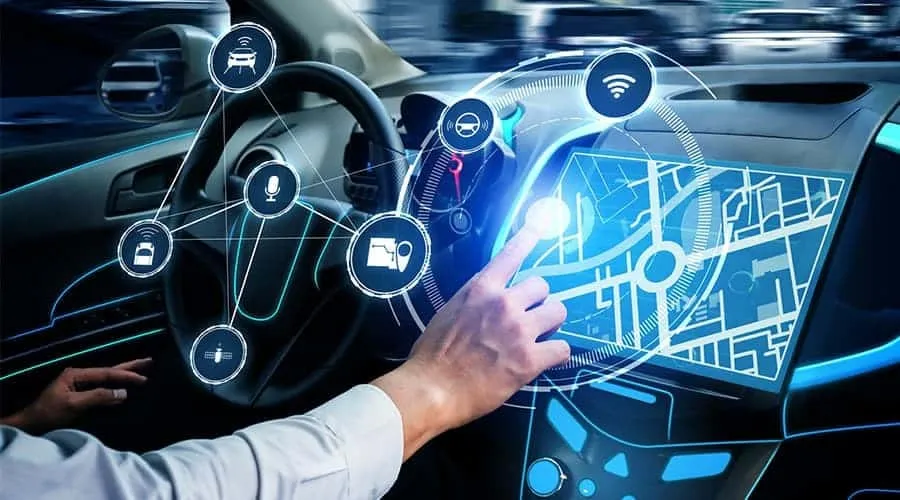
Automotive technology innovations are reshaping how people drive, commute, and interact with vehicles in ways that would have seemed impossible just a decade ago. From electric cars silently cruising city streets to vehicles that can park themselves, technology is no longer just an add-on—it is the foundation of modern transportation.
For many drivers, the first moment of experiencing advanced vehicle technology is unforgettable. Imagine stepping into a car that automatically adjusts the seat, connects to your phone, recommends routes based on traffic, and even warns you before a collision risk. These real-world experiences highlight how quickly automotive engineering has evolved.
Today, the automotive industry stands at the intersection of artificial intelligence, sustainability, connectivity, and automation. These advancements are not only improving convenience but also redefining safety, efficiency, and environmental responsibility.
Table of Contents
ToggleThe Evolution of Automotive Technology Innovations
The journey of modern vehicles began with mechanical engineering. Early cars focused purely on transportation. Comfort, safety, and connectivity were secondary concerns.
However, over the last two decades, digital transformation has revolutionized the industry. The integration of sensors, processors, and software turned vehicles into intelligent machines.
Companies like Tesla introduced over-the-air updates, allowing cars to improve performance without visiting service centers. Meanwhile, traditional manufacturers such as BMW and Toyota began investing heavily in hybrid systems and driver-assistance technologies.
This shift marked a turning point where automotive technology innovations became essential for competitiveness.
Electric Vehicles and the Rise of Sustainable Driving
Electric vehicles represent one of the most important breakthroughs in modern transportation. Instead of relying on internal combustion engines, EVs use electric motors powered by batteries.
Manufacturers such as Tesla and Hyundai have created vehicles capable of traveling hundreds of kilometers on a single charge.
EV technology reduces emissions, lowers operating costs, and improves energy efficiency. Governments worldwide are encouraging adoption through incentives and infrastructure development.
The rapid growth of electric vehicles highlights the importance of automotive technology innovations in addressing environmental challenges.
Autonomous Driving Systems and Artificial Intelligence
Self-driving technology once existed only in science fiction. Today, it is becoming reality.
Autonomous systems use cameras, radar, sensors, and artificial intelligence to analyze surroundings and make driving decisions. Features like lane-keeping assist, adaptive cruise control, and automatic emergency braking are already common.
Companies like Waymo and Mercedes-Benz are leading the development of higher levels of vehicle autonomy.
These advancements demonstrate how automotive technology innovations are improving safety and reducing human error, which is responsible for most accidents.
Connectivity and Smart Vehicle Ecosystems
Modern vehicles are no longer isolated machines. They are connected devices integrated into digital ecosystems.
Smart infotainment systems allow drivers to access navigation, music, calls, and apps through touchscreen interfaces. Integration with smartphones makes communication seamless.
Brands like Apple and Google have developed platforms like Apple CarPlay and Android Auto, enhancing user experience.
Connectivity is a core element of automotive technology innovations, enabling vehicles to communicate with drivers, infrastructure, and other vehicles.
Safety Enhancements Through Automotive Technology Innovations
Safety has always been a priority, but modern technology has elevated it to new levels.
Advanced Driver Assistance Systems (ADAS) monitor driver behavior and surroundings. Features such as blind-spot monitoring, automatic braking, and collision alerts prevent accidents.
Volvo, long associated with safety leadership, has integrated advanced protection systems designed to reduce fatalities.
These safety improvements demonstrate the real-world benefits of automotive technology innovations, protecting drivers, passengers, and pedestrians.
The Role of Artificial Intelligence in Modern Vehicles
Artificial intelligence enables vehicles to learn and adapt.
AI systems analyze driving patterns, optimize routes, and improve fuel efficiency. Voice assistants allow drivers to control vehicle functions without distraction.
For example, AI-powered assistants can adjust climate control based on personal preferences or suggest faster routes based on real-time traffic.
These intelligent capabilities highlight the transformative impact of automotive technology innovations on everyday driving.
Automotive Technology Innovations and User Experience
Driving is no longer just about reaching a destination. It is about the journey itself.
Luxury vehicles now include features like ambient lighting, digital dashboards, and personalized settings. Drivers can create customized profiles for comfort and convenience.
Manufacturers like Mercedes-Benz focus heavily on combining technology with luxury, creating immersive experiences.
These developments show how automotive technology innovations enhance emotional connection between drivers and vehicles.
Over-the-Air Updates and Software-Defined Vehicles
Software has become as important as hardware.
Over-the-air updates allow manufacturers to improve vehicle performance, fix bugs, and add features remotely. This approach keeps vehicles current without requiring physical upgrades.
Tesla pioneered this model, and many other companies are adopting similar strategies.
This shift proves that automotive technology innovations are transforming vehicles into continuously evolving platforms.
Sustainability and Environmental Responsibility
Environmental concerns are driving innovation across the automotive industry.
Manufacturers are developing recyclable materials, energy-efficient batteries, and eco-friendly production processes.
Hybrid and electric technologies reduce carbon emissions, contributing to global sustainability goals.
The environmental focus of automotive technology innovations ensures a cleaner future for transportation.
Real-Life Impact of Automotive Technology Innovations
Many drivers already experience these advancements daily.
Parking assist systems help drivers park effortlessly in tight spaces. Navigation systems prevent delays by suggesting faster routes.
Collision warning systems alert drivers before accidents occur, saving lives.
These real-world applications show how automotive technology innovations improve safety, efficiency, and convenience.
The Business Impact of Automotive Technology Innovations
Technology is reshaping automotive business models.
Software subscriptions, digital services, and connectivity features create new revenue streams for manufacturers.
Companies now compete not just on engine performance but also on software capabilities.
This transformation highlights the economic significance of automotive technology innovations.
Challenges Facing Automotive Technology Innovations
Despite progress, challenges remain.
Battery costs, charging infrastructure, and cybersecurity risks require ongoing solutions.
Manufacturers must balance innovation with affordability to ensure widespread adoption.
Addressing these challenges is essential for the continued growth of automotive technology innovations.
The Role of Research and Development
Research and development drive technological progress.
Engineers, scientists, and software developers collaborate to create safer, smarter vehicles.
Investments in innovation ensure continuous improvement and technological advancement.
These efforts reinforce the importance of automotive technology innovations in shaping the future of mobility.
Future Trends in Automotive Technology Innovations
The next decade will bring even more changes.
Fully autonomous vehicles, smart cities, and integrated transportation systems are on the horizon.
Vehicles may communicate with traffic signals, reducing congestion and improving efficiency.
These advancements confirm that automotive technology innovations will continue redefining transportation.
Trust, Expertise, and Authority in Automotive Technology Innovations
Trust plays a critical role in technology adoption.
Consumers rely on manufacturers with proven expertise and reliability.
Brands with strong reputations gain customer confidence and market leadership.
This trust is essential for the continued success of automotive technology innovations, ensuring that technology enhances safety, sustainability, and convenience for everyone.