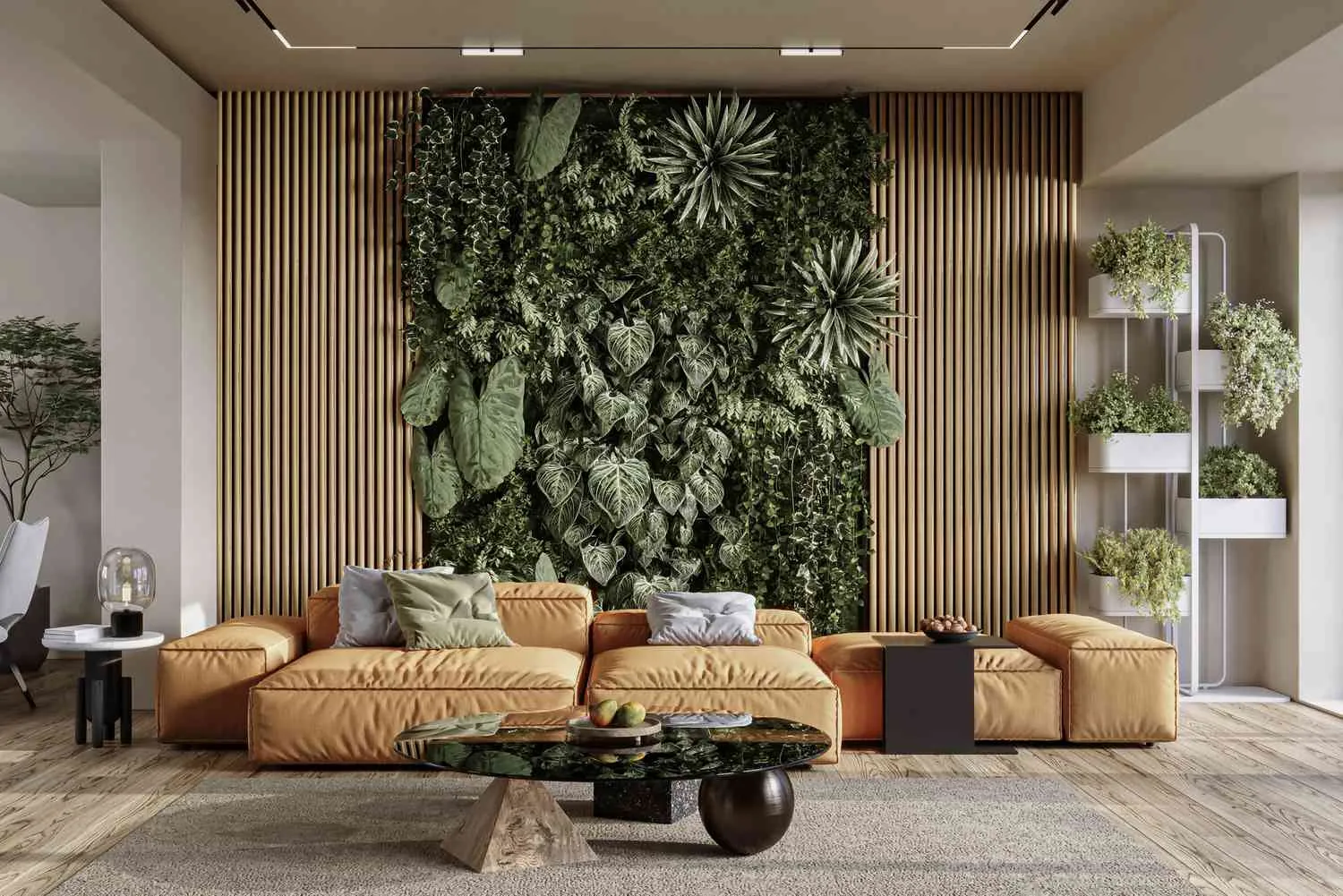
Biophilic design trends are reshaping the way we interact with our indoor environments, offering a much-needed bridge back to the natural world in an increasingly digital age. For many of us, the majority of our day is spent inside four walls, often under artificial lighting and surrounded by synthetic materials. This disconnect from nature has led to a rise in stress, fatigue, and a general sense of being “out of sync.” Biophilic design aims to correct this by intentionally integrating natural elements into our homes and offices to improve our well-being.
The concept is not just about placing a few potted plants on a shelf; it is a holistic philosophy that considers how humans have evolved to thrive in natural settings. Think about the last time you walked through a forest or sat by a flowing stream. You likely felt a sense of calm and mental clarity. Designers are now using scientific insights to recreate those physiological responses within our built environments. This movement has moved from niche architectural circles into the mainstream, becoming a core part of how we envision the future of living.
One of the most exciting aspects of these shifts is the move toward “living architecture.” We are seeing homes where walls are covered in lush moss or climbing ivy, acting as natural air purifiers while providing a stunning visual centerpiece. These vertical gardens are more than just decor; they regulate humidity and absorb sound, creating a sanctuary that feels miles away from the hustle and bustle of urban life. It is about creating a living ecosystem within the home that grows and changes over time.
The Psychological Power of Biophilic Design Trends
Understanding the psychological impact of these environments is key to appreciating why they have become so popular. Studies in environmental psychology suggest that even a brief visual connection to nature can lower cortisol levels and heart rates. This is why many hospitals are now incorporating garden views into patient rooms and why tech giants are filling their headquarters with indoor forests. When we see natural patterns, our brains enter a state of “soft fascination,” which allows our cognitive resources to recharge.
In the residential sector, this translates to a focus on natural light and outdoor views. Large, floor-to-ceiling windows are no longer just a luxury; they are a vital tool for maintaining our circadian rhythms. By allowing the natural cycle of morning light to evening dusk to permeate our living spaces, we can improve our sleep quality and overall mood. Designers are also using dynamic lighting systems that mimic the shifting temperature and intensity of sunlight throughout the day for rooms where windows are not an option.
Beyond light, the use of organic shapes and “fractals” is a major part of the current movement. Fractals are repeating patterns found in nature, such as the veins in a leaf or the spirals of a seashell. Our eyes find these patterns incredibly easy to process, which reduces mental strain. We are seeing a shift away from sharp, sterile lines toward curved furniture, arched doorways, and textured wall coverings that reflect the beautiful imperfections of the natural world.
Implementing Biophilic Design Trends in Small Spaces
You do not need a sprawling estate to benefit from these concepts. In fact, some of the most innovative applications are found in small urban apartments. In these settings, designers focus on multi-sensory experiences. It is not just about what you see, but what you touch, smell, and hear. For example, using natural materials like cork, reclaimed wood, or stone for flooring and countertops provides a tactile connection to the earth that plastic or laminate simply cannot match.
Scent is another powerful yet often overlooked element. Integrating aromatic plants like jasmine, lavender, or eucalyptus into a living space can have a profound effect on the atmosphere. Some modern homes are even incorporating subtle water features that provide the gentle, soothing sound of trickling water. This acoustic camouflage helps mask the distracting sounds of traffic or noisy neighbors, replacing them with a soundscape that triggers a deep-seated sense of security and relaxation.
Moving forward, we are seeing a trend toward “edible decor.” Many people are replacing traditional ornamental plants with indoor herb gardens or microgreen stations. This adds a vibrant green element to the kitchen while encouraging a healthier lifestyle. The act of nurturing a plant and then using it for nourishment provides a deep psychological reward. It reminds us of our role as participants in the natural cycle, rather than just observers.
The Evolution of Materiality and Texture
The materials we choose to surround ourselves with have a significant impact on our comfort and health. One of the standout biophilic design trends involves the use of “honest” materials. These are materials left in their most natural state, showing grain, knots, and variations in color. Using terracotta tiles, lime wash paints, and untreated wood creates a sense of warmth and history. These materials also age gracefully, developing a patina that tells a story, unlike synthetic surfaces that merely degrade.
We are also seeing an increased interest in bio-based materials like mycelium (mushroom-based) tiles and seaweed-based insulation. These innovations are not only sustainable but also possess unique textures that invite touch. When we run our hands over a textured stone wall or a soft wool rug, it grounds us in the present moment. This tactile variety is essential in a world where we spend so much time touching smooth glass screens and plastic keyboards.
Sustainability and biophilia go hand in hand. A truly biophilic space respects the environment it seeks to emulate. This means choosing furniture and decor that are ethically sourced and free from harmful chemicals. By selecting pieces made from fast-growing resources like bamboo or rattan, we can create a beautiful home that does not come at the expense of the planet. This conscious approach to design fosters a deeper sense of peace, knowing that our sanctuary is built on a foundation of integrity.
The Workspace Revolution and Nature Integration
As more people move to hybrid or remote work models, the home office has become a primary focus for nature-inspired design. A workspace filled with natural elements can boost productivity by up to 15 percent and significantly increase creativity. People are moving their desks closer to windows and surrounding their computer setups with air-purifying plants like snake plants or peace lilies. This creates a “green buffer” that protects against the mental fatigue of long video calls and endless spreadsheets.
Interestingly, even the colors we choose for our offices are shifting. We are seeing a move away from cold greys and whites toward a palette of “earth tones.” Sage greens, ochre yellows, and terracotta oranges create a sense of stability and focus. These colors reflect the landscapes we find in nature, making the office feel less like a clinical box and more like a natural extension of our surroundings. It is about creating a space where the mind can wander and wonder, leading to more innovative solutions.
Some designers are taking this a step further by incorporating “nature-inspired acoustics.” This involves using felt panels made from recycled materials or moss walls to dampen sound. These elements mimic the way a forest floor absorbs noise, creating a quiet, focused environment. When the acoustic environment is balanced, we do not have to strain to hear or be heard, which reduces cognitive load and allows us to stay in a “flow state” for longer periods.
The Role of Water in Interior Landscapes
Water is a fundamental element of life, and its presence in a home can be incredibly transformative. While large indoor pools are rare, small-scale water features are becoming a staple of high-end biophilic interiors. The visual of moving water and the subtle reflections it casts on the walls create a dynamic, ever-changing environment. It introduces movement into a room, preventing it from feeling stagnant or sterile.
For those who cannot install a fountain, the “visual of water” can be achieved through clever design choices. Using blue-toned glass, iridescent tiles, or artwork that depicts aquatic scenes can trigger similar psychological benefits. The goal is to evoke the feeling of being near a body of water, which is universally associated with safety and abundance. It is a subtle way to tap into our evolutionary preferences and create a deep sense of home.
Moving toward the exterior, the concept of “seamless transitions” is gaining traction. This involves using the same flooring material for the indoor living room and the outdoor patio, or using large sliding glass doors that disappear into the walls. By blurring the boundaries between inside and out, we can expand our living space and make nature feel like a constant companion. It encourages us to spend more time outdoors, which is one of the best things we can do for our physical and mental health.
The Intersection of Technology and Nature
It might seem contradictory, but technology is actually helping us stay more connected to nature. Smart home systems can now be programmed to adjust lighting and temperature to match the natural outdoor environment. We have automated irrigation systems that ensure our indoor gardens thrive even when we are away. There are even apps that sync our indoor sound systems with the real-time weather outside, bringing the sound of rain or birdsong into our homes in a way that feels completely organic.
We are also seeing the rise of “digital biophilia.” In urban environments where access to actual green space is limited, high-definition screens are being used to display 4K footage of forests, oceans, and mountains. While it is not a perfect substitute for the real thing, research shows that viewing high-quality nature footage can still provide significant stress relief. It is a tool for those living in the most concrete-dense parts of our cities to find a momentary escape.
Moving forward, the goal is to use technology as a supportive framework for nature, rather than a replacement for it. We want homes that are smart enough to care for themselves but grounded enough to keep us human. By integrating sensors that monitor air quality and soil moisture, we can ensure that our indoor ecosystems remain healthy and vibrant. This partnership between the digital and the biological represents the next frontier of biophilic design trends.
Creating a Personalized Biophilic Sanctuary
The beauty of this design philosophy is that it is deeply personal. What feels like a natural sanctuary to one person might feel cluttered to another. The key is to find the elements of nature that resonate most with you. Perhaps you are drawn to the rugged textures of stone and wood, or maybe you find peace in a minimalist space filled with soft light and a single, well-placed plant. There is no right or wrong way to bring nature indoors.
Start small and observe how the changes affect your mood. You might begin by swapping out a plastic lamp for one made of ceramic or wood. You could add a small tray of river stones to your coffee table or hang a piece of botanical art. These small touches act as “visual anchors” that remind you of the wider world. Over time, these small changes will accumulate, transforming your home into a place that truly nourishes your soul.
Nature is not a luxury; it is a necessity. By embracing these ideas, we are making a commitment to our own health and the health of the planet. We are choosing to live in a way that is more intentional, more mindful, and more connected. In a world that often feels chaotic and overwhelming, a nature-inspired home is a powerful anchor that keeps us grounded and resilient. It is an investment in our future that pays dividends every time we walk through the front door.
The Global Impact of Nature-Focused Design
On a larger scale, these movements are influencing urban planning and public architecture. We are seeing the rise of “forest cities” in China and “vertical forests” in Italy. These projects are proving that we can build high-density housing that still provides every resident with a connection to green space. This is essential for the future of our planet, as more of the global population moves into urban areas. We need cities that breathe, grow, and support all forms of life.
Public spaces like libraries, schools, and community centers are also being redesigned with biophilia in mind. Imagine a school where classrooms are filled with natural light and students can look out onto a garden while they study. Or a library where the shelves are made of warm wood and the air is filled with the scent of fresh plants. These environments foster a love of learning and a sense of community, proving that design has the power to shape our social fabric.
By prioritizing nature in our public buildings, we are sending a message that wellness is a collective priority. We are creating spaces that are inclusive, accessible, and truly human. This global shift toward biophilia is a sign of hope, a realization that we do not have to choose between progress and the planet. We can have both, and the result is a world that is more beautiful and more sustainable for everyone.
The Future of Interior Landscaping
As we look toward the next decade, we can expect to see even more radical integrations of nature. We might see homes built with “integrated greenhouses” that provide both heat and food. We might see apartments where the walls themselves are made of living materials that grow and self-heal. The possibilities are endless when we stop viewing ourselves as separate from nature and start seeing ourselves as a part of it.
The current biophilic design trends are just the beginning. We are entering a new era of architecture and design where the goal is harmony, not dominance. It is an exciting time to be a part of this movement, as we rediscover the wisdom of the natural world and apply it to our modern lives. Whether you live in a tiny apartment or a large house, there is a place for nature in your life. Embrace it, nurture it, and watch as it transforms your world.
Investing in these concepts is more than just a home improvement project; it is a lifestyle choice. It is about deciding to live in a way that respects your biological heritage and your emotional needs. It is about creating a space that feels like a warm embrace every time you come home. In the end, the most beautiful homes are not the ones filled with the most expensive things, but the ones that feel the most alive.
The journey toward a more biophilic life is one of discovery and joy. It invites us to slow down, to breathe deeply, and to appreciate the simple beauty of a leaf or a ray of sunlight. It reminds us that we are a part of something much larger and more beautiful than ourselves. By bringing nature indoors, we are not just changing our decor; we are changing our perspective. And that might be the most transformative trend of all.
As we move through our daily lives, let us look for ways to reconnect with the natural world. Whether it is through the materials we use, the light we let in, or the plants we care for, every small step counts. Our homes are our sanctuaries, and by filling them with the spirit of nature, we can create a world that is truly worth living in. Let us continue to push the boundaries of design and find new ways to live in harmony with the earth.
Read also :-