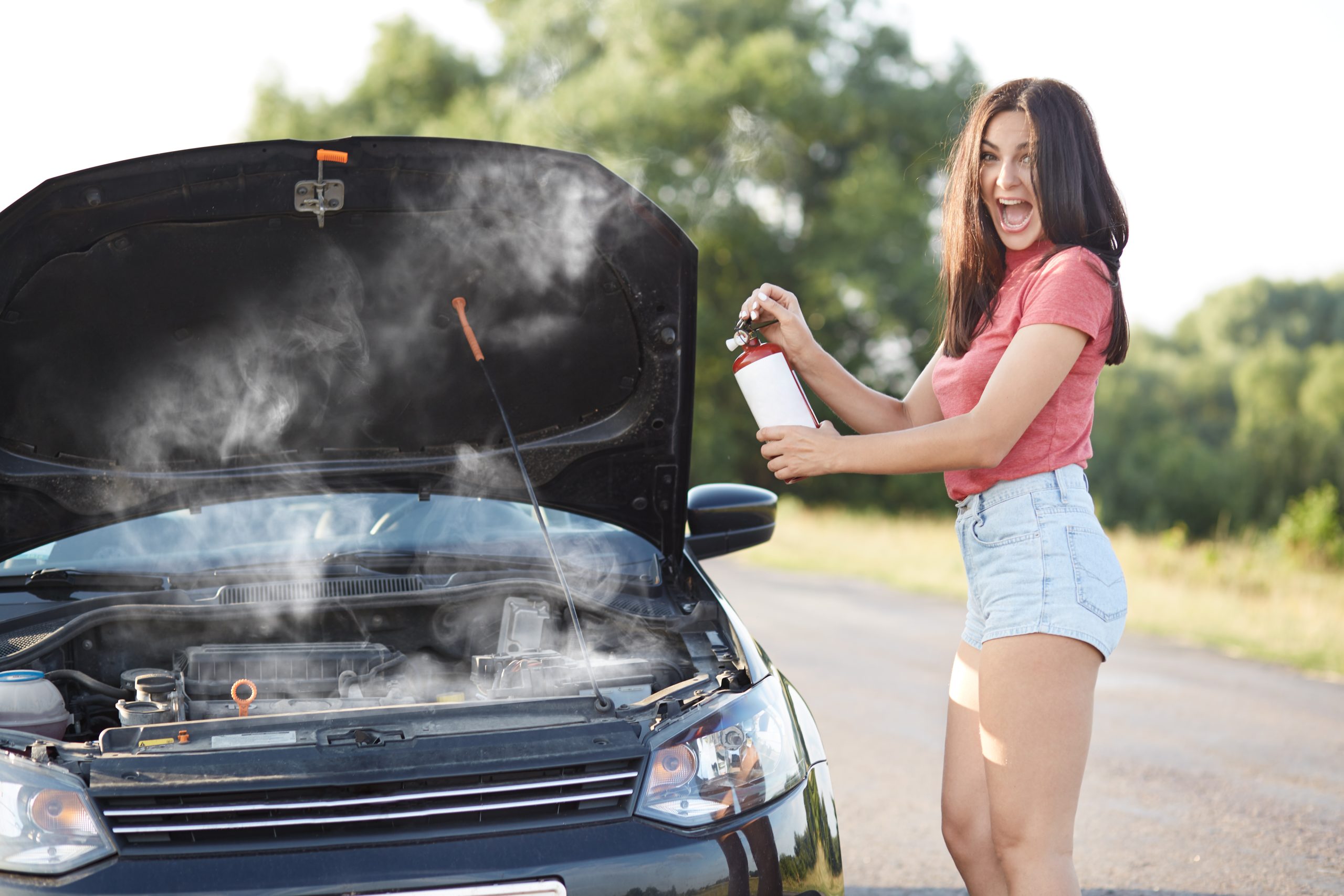
Car overheating solutions are often searched in moments of panic, usually when steam rises from the bonnet or a warning light suddenly appears on the dashboard.
Overheating is one of those car problems that feels small at first but can quickly turn into an expensive nightmare. Many drivers ignore early signs, assuming the issue will fix itself. In reality, overheating is the engine’s way of crying for help. Understanding why it happens and how to deal with it properly can save you from major repair bills and roadside breakdowns.
This guide is built on real mechanic insights, practical driving experience, and proven automotive knowledge to help you understand overheating from the inside out.
Table of Contents
ToggleWhy Car Engines Overheat More Often Than You Think
Modern engines run hotter than older ones.
They are designed for efficiency and performance, which means they rely heavily on cooling systems working perfectly. Even a small failure can throw the balance off.
In hot climates or heavy traffic conditions, overheating becomes even more common.
A Real-Life Overheating Experience
A daily commuter once noticed the temperature gauge creeping upward during traffic jams.
At first, it only happened occasionally. Weeks later, the engine overheated completely on a highway, resulting in a blown head gasket. A simple coolant leak had gone unnoticed.
This story highlights why early car overheating solutions matter more than most drivers realize.
Understanding the Engine Cooling System
Your car’s cooling system is a network.
It includes coolant, radiator, hoses, thermostat, water pump, and cooling fan. Each part has a specific role in regulating temperature.
When one component fails, heat builds rapidly.
Coolant Issues That Trigger Overheating
Low coolant is a leading cause.
Leaks, evaporation, or improper refilling can reduce coolant levels. Old coolant loses effectiveness over time.
Regular coolant checks are essential for engine health.
Radiator Problems and Heat Build-Up
Radiators disperse engine heat.
Blocked fins, internal corrosion, or external debris restrict airflow. When heat cannot escape, engine temperature rises quickly.
Radiator maintenance often gets overlooked until overheating occurs.
Thermostat Failures Explained Simply
The thermostat regulates coolant flow.
If it gets stuck closed, coolant cannot circulate. Heat builds up within minutes.
This small component can cause big problems if ignored.
Water Pump Malfunctions and Their Impact
The water pump keeps coolant moving.
A failing pump reduces circulation, causing uneven engine temperatures. Leaks or worn bearings often signal trouble.
Ignoring water pump issues almost always leads to overheating.
Cooling Fan Issues in Traffic
Fans activate when airflow is low.
In stop-and-go traffic, cooling fans are critical. Electrical faults or faulty sensors can prevent fan activation.
This explains why cars overheat more in traffic than on highways.
Car Overheating Solutions for City Driving
City driving stresses engines.
Frequent stops, idling, and heat exposure increase cooling system demand. Ensuring fans, coolant, and airflow are optimal becomes crucial.
Urban drivers should pay extra attention to temperature gauges.
Oil Levels and Engine Temperature
Engine oil reduces friction.
Low or degraded oil increases friction and heat. Overheating can occur even if the cooling system seems fine.
Oil health plays a hidden role in temperature control.
Warning Signs Drivers Should Never Ignore
Dashboard lights exist for a reason.
Rising temperature gauges, steam, burning smells, or reduced engine power signal overheating. Ignoring these signs causes severe damage.
Immediate action can prevent engine failure.
Immediate Actions When Your Car Overheats
Stopping safely matters.
Turning off the engine prevents further damage. Opening the bonnet helps release heat, but touching components can be dangerous.
Patience during cooling saves costly repairs.
Long-Term Car Overheating Solutions That Work
Prevention always beats repair.
Regular inspections, timely fluid changes, and professional servicing keep the cooling system efficient. Long-term solutions focus on system health, not quick fixes.
Experienced mechanics emphasize prevention as the most reliable strategy.
The Role of Climate and Driving Habits
Climate affects engine stress.
Hot regions and hilly terrain increase overheating risk. Aggressive driving also raises engine temperature.
Adapting driving habits reduces unnecessary strain.
Radiator Flushes and Their Importance
Over time, deposits build up.
Radiator flushes remove rust, scale, and debris. Clean systems cool more effectively.
Skipping flushes reduces cooling efficiency.
Car Overheating Solutions for Older Vehicles
Older cars face additional challenges.
Aging hoses, seals, and components fail more easily. Preventive replacements become necessary.
Older vehicles need closer monitoring and proactive care.
Sensor Failures and False Temperature Readings
Sometimes the engine isn’t overheating.
Faulty sensors or wiring can display incorrect readings. Diagnosis prevents unnecessary panic.
Professional testing ensures accurate assessments.
Airflow Problems Under the Hood
Airflow matters more than many realize.
Missing underbody panels or blocked grills disrupt cooling. Proper airflow supports heat dissipation.
Small obstructions can cause big temperature rises.
Using the Correct Coolant Matters
Not all coolants are the same.
Using the wrong type reduces heat transfer efficiency. Manufacturer-recommended coolant ensures proper chemical balance.
Mixing incompatible coolants causes long-term damage.
Overloading and Towing Effects on Temperature
Heavy loads stress engines.
Towing or carrying excess weight increases heat generation. Cooling systems must work harder.
Proper preparation reduces overheating risk.
Air Conditioning and Engine Heat
Air conditioning adds load.
Using AC in extreme heat increases engine stress. Weak cooling systems may struggle.
Balancing comfort and engine health becomes necessary.
Professional Diagnostics vs DIY Checks
DIY checks help early detection.
However, professional diagnostics identify hidden issues. Modern vehicles rely on sensors and electronics.
Expert evaluation prevents misdiagnosis.
Cost Comparison of Early Repair vs Engine Damage
Early fixes cost less.
Replacing a thermostat or hose is far cheaper than rebuilding an engine. Overheating damage escalates quickly.
Timely intervention protects finances.
Seasonal Maintenance and Overheating Prevention
Seasonal checks matter.
Summer demands cooling system inspections, while winter affects coolant quality. Seasonal maintenance reduces year-round risks.
Prepared vehicles perform better.
Car Overheating Solutions Backed by Mechanics
Experienced mechanics agree on fundamentals.
Proper fluid levels, clean radiators, working fans, and functional thermostats prevent most overheating cases. These basics form the foundation of reliable car overheating solutions.
Expert advice consistently points to maintenance over emergency fixes.
How Driving Style Influences Engine Heat
Smooth driving reduces heat.
Sudden acceleration and high RPMs generate extra heat. Gentle driving supports cooling efficiency.
Driving habits play a bigger role than many realize.
Technology Advancements in Cooling Systems
Modern cars use smart cooling.
Electronic thermostats and variable-speed fans improve efficiency. Technology helps but still requires maintenance.
Advanced systems still fail without care.
Common Myths About Overheating
Water alone isn’t always enough.
While emergency water use helps temporarily, proper coolant is essential. Myths often lead to improper fixes.
Accurate knowledge prevents mistakes.
Car Overheating Solutions for Long Road Trips
Preparation is key.
Checking fluids, belts, and hoses before trips reduces breakdown risk. Road trips expose vehicles to sustained stress.
Preparation ensures smoother journeys.
The Psychological Stress of Overheating Breakdowns
Breakdowns cause anxiety.
Unexpected overheating creates safety concerns and financial stress. Reliable maintenance provides peace of mind.
Confidence in your car improves driving experience.
Expert-Approved Maintenance Schedules
Following schedules matters.
Manufacturer guidelines exist for a reason. Scheduled inspections catch issues early.
Consistency defines reliability.
How Overheating Impacts Resale Value
Engine health affects value.
Overheating damage lowers resale prices. Maintenance records protect investment.
Well-maintained cars hold value longer.
Car Overheating Solutions That Truly Protect Engines
Real solutions focus on system health.
Temporary fixes only delay problems. Sustainable maintenance prevents repeat overheating.
Trustworthy car overheating solutions are built on knowledge, experience, and proactive care.
When drivers understand how engines manage heat and act early, overheating becomes a manageable issue rather than a costly disaster.