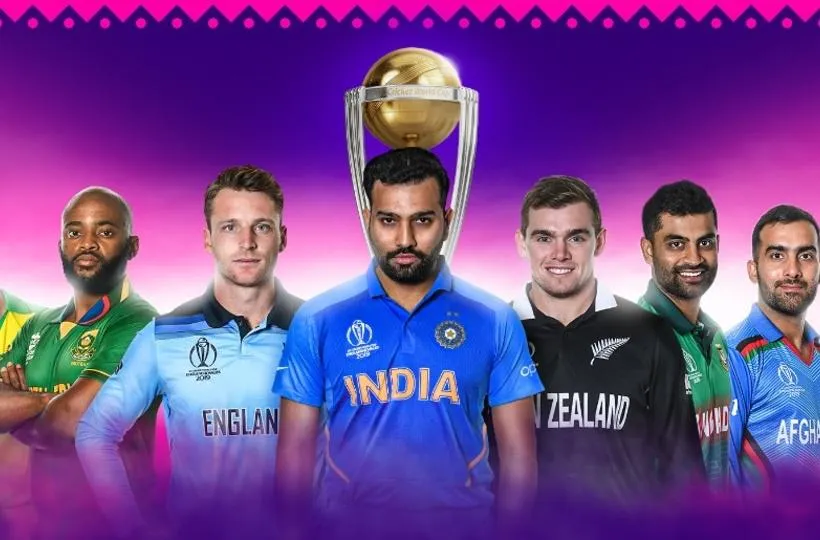
Cricket Economy Growth has accelerated dramatically over the past two decades, transforming what was once a modest sporting enterprise into a multi-billion dollar global industry rivaling the world’s most commercially successful sports. This economic expansion extends across broadcasting rights, sponsorships, player salaries, franchise valuations, infrastructure investments, and emerging digital revenue streams that collectively generate wealth for stakeholders ranging from international cricket boards to local cricket academies.
I witnessed this transformation firsthand when comparing my grandfather’s stories about playing club cricket in the 1970s for travel reimbursements and tea money to my cousin’s current domestic cricket contract that provides a comfortable middle-class income with health insurance and retirement benefits. That generational comparison crystallizes how profoundly cricket’s economic landscape has changed—what was essentially an amateur pursuit sustained by passion has become a legitimate professional career path supported by substantial commercial infrastructure. This evolution reflects broader cricket economy trends creating unprecedented opportunities while presenting new challenges for the sport’s custodians.
Historical Context: From Amateur Roots to Commercial Powerhouse
Cricket’s amateur traditions persisted well into the late 20th century with even international players receiving modest match fees rather than professional salaries. The distinction between gentleman amateurs and professional players created class divisions that limited cricket’s economic potential while maintaining its social exclusivity.
The 1977 Kerry Packer revolution fundamentally challenged cricket’s amateur economics by demonstrating that cricket could generate substantial commercial value through innovative formats, aggressive marketing, and player-centric approaches. World Series Cricket proved that cricket entertainment could command significant broadcasting fees and attract major sponsorships.
The introduction of One Day International cricket in the 1970s and its expansion through the 1980s and 1990s created more accessible, television-friendly cricket that appealed to broadcasters and sponsors. Limited-overs cricket’s defined time frames and guaranteed results proved more commercially viable than Test cricket’s uncertain durations.
Satellite television expansion in the 1990s, particularly in cricket-mad India, created unprecedented broadcast revenue opportunities. Suddenly, cricket matches could reach hundreds of millions of viewers across multiple countries, attracting broadcasters willing to pay substantial sums for exclusive rights.
The 2008 launch of the Indian Premier League marked cricket’s complete commercial transformation, proving that franchise-based, short-format cricket could generate wealth exceeding traditional international cricket. The IPL’s success inspired global imitation while fundamentally reshaping cricket’s economic landscape.
The Broadcasting Rights Revolution Driving Economic Expansion
Television and digital broadcasting rights now constitute cricket’s largest revenue source, with premium competitions commanding billions of dollars for multi-year rights packages. The IPL’s broadcast rights alone exceed $6 billion for a five-year cycle, demonstrating cricket’s extraordinary media value in key markets.
Geographic concentration in India means Indian broadcast rights generate disproportionate revenue compared to other cricket markets. India’s population, cricket passion, and growing economy create a perfect storm of factors making Indian cricket broadcasting extraordinarily valuable to media companies.
Digital streaming rights represent cricket’s fastest-growing broadcast revenue category as consumption patterns shift from traditional television to online platforms. Services like Disney+ Hotstar, Willow TV, and others pay substantial sums for digital-only or combined digital-television rights packages.
Global rights fragmentation where different broadcasters hold rights in different territories creates complexity but also maximizes total revenue. Cricket boards auction separate rights packages for various geographic regions, extracting maximum value from each market.
Rights duration and exclusivity significantly impact valuations, with longer-term exclusive packages commanding premium pricing from broadcasters seeking competitive advantages and predictable long-term content costs. The balance between maximizing current revenue and maintaining future negotiation flexibility influences rights sales strategies.
Franchise Leagues and Their Economic Impact
The IPL transformed cricket economics by proving that city-based franchise cricket could generate enormous wealth for team owners, players, and cricket boards. Franchise valuations have soared from initial prices around $100 million to current estimates exceeding $1 billion for established teams.
Global franchise league expansion including the Big Bash League, Caribbean Premier League, Pakistan Super League, and The Hundred demonstrates cricket’s worldwide embrace of the franchise model. Each league creates local economic activity, employment, and commercial opportunities.
Player salary inflation driven by franchise league auctions has elevated cricket into an extraordinarily lucrative profession for elite players. IPL contracts alone can pay players millions of dollars for six weeks of cricket, exceeding what many earn from year-round international commitments.
Franchise business models combining gate receipts, sponsorships, broadcast revenue shares, and merchandise sales create multiple revenue streams supporting team valuations. Successful franchises operate as profitable businesses rather than vanity projects for wealthy owners.
Secondary markets for franchise ownership including stake sales and private equity investments indicate maturing Cricket Economy Growth as institutional investors recognize cricket’s commercial potential. Cricket franchises increasingly attract serious business investors rather than just cricket enthusiasts.
Sponsorship and Commercial Partnership Expansion
Corporate sponsorship across teams, tournaments, stadiums, and individual players generates billions annually as brands compete for association with cricket’s passionate audiences. Sponsorship categories have multiplied from simple kit sponsors to official partners across dozens of product categories.
Title sponsorship of major tournaments and leagues commands premium pricing, with companies paying tens of millions annually for naming rights and associated marketing privileges. These investments reflect cricket’s power to deliver brand visibility and consumer engagement.
Player endorsement markets have exploded with top cricketers commanding multi-million dollar annual incomes from personal brand partnerships. Stars like Virat Kohli earn more from endorsements than cricket salaries, demonstrating cricket’s commercial power beyond playing fees.
Regional sponsorship variations mean cricket generates different commercial value across geographic markets. Indian cricket commands vastly higher sponsorship fees than other markets due to population size, economic growth, and cricket’s cultural dominance.
Digital and social media sponsorships represent emerging categories as brands recognize the value of cricketers’ online influence. Sponsored social media content, digital campaigns, and influencer partnerships create new commercial opportunities beyond traditional advertising.
Infrastructure Investment and Stadium Economics
Modern cricket stadiums represent substantial capital investments with facilities like the Narendra Modi Stadium costing hundreds of millions of dollars. These venues combine sporting functionality with commercial spaces including corporate boxes, restaurants, and entertainment facilities maximizing revenue potential.
Stadium naming rights provide ongoing revenue streams for ground owners and cricket boards. Companies pay millions annually for the branding associated with iconic cricket venues, creating sustainable income supporting facility maintenance and improvements.
Match-day revenue from ticket sales, concessions, parking, and merchandise represents significant income for stadium operators and cricket boards. Successful matches can generate millions in direct revenue while creating economic activity in surrounding communities.
Multi-purpose stadium usage beyond cricket including concerts, conferences, and other sports helps justify infrastructure investments by ensuring facilities generate revenue year-round rather than sitting idle between cricket seasons.
Smart stadium technology investments in high-speed internet, cashless payments, and digital engagement tools enhance fan experiences while creating data and advertising opportunities generating additional revenue beyond traditional match-day income.
The Professionalization of Cricket Career Pathways
Domestic cricket salaries have improved dramatically as cricket boards reinvest broadcast revenue into player development and domestic competitions. Players in premier domestic leagues now earn legitimate professional incomes supporting full-time cricket careers.
Central contracts for international players guarantee annual salaries providing financial security while allowing cricket boards to manage player workloads and availability. These contracts represent cricket’s evolution toward year-round professional employment rather than match-based fees.
Performance-based incentives including match fees, win bonuses, and tournament prizes supplement base salaries, creating earning potential linked to on-field success. This performance pay aligns player and team financial interests.
Retirement and post-career support including pensions, healthcare, and transition programs recognize that professional cricket careers are relatively short. Progressive cricket boards invest in supporting former players’ life transitions.
Women’s cricket professionalization represents cricket economy growth into previously amateur territory. Increased salaries, central contracts, and professional opportunities for female cricketers expand cricket’s economic footprint while advancing gender equity.
Emerging Revenue Streams and Digital Innovation
Cryptocurrency and blockchain applications in cricket including fan tokens, NFT collectibles, and digital engagement platforms create novel revenue opportunities. Cricket organizations experiment with these technologies monetizing digital engagement.
Gaming and esports including fantasy cricket platforms and cricket video games generate substantial revenue through user engagement, in-app purchases, and advertising. Fantasy cricket alone engages millions of users generating hundreds of millions in revenue.
Subscription services offering exclusive cricket content, analysis, and behind-the-scenes access create direct-to-consumer revenue streams. Cricket organizations increasingly monetize their content libraries and original productions through proprietary platforms.
Social media monetization through platform revenue sharing, branded content, and direct fan support enables cricketers and cricket organizations to earn from their online presence beyond traditional sponsorship.
Augmented and virtual reality experiences offering immersive cricket viewing and interactive features represent frontier revenue opportunities as technology advances make these experiences more accessible and compelling.
Geographic Expansion and Market Development
Cricket’s growth in non-traditional markets including the United States, China, and continental Europe creates expansion opportunities. While cricket remains niche in these territories, even modest market share represents substantial absolute numbers given population sizes.
Associate nation development programs funded by ICC revenue distributions help expand cricket’s competitive and commercial footprint. Investment in cricket infrastructure, competitions, and player development in emerging markets builds future commercial opportunities.
Diaspora populations in cricket-playing nations create commercial opportunities in countries like Canada, the UAE, and the UK where large expatriate communities maintain strong cricket interest. Leagues and broadcast deals targeting these populations generate meaningful revenue.
Regional tournament development including continental championships and multi-nation leagues creates commercial properties beyond bilateral series. These events aggregate markets, creating larger combined audiences attractive to broadcasters and sponsors.
Olympic inclusion discussions reflect cricket’s ambition to access the world’s largest sporting platform. Olympic cricket would provide unprecedented global exposure potentially accelerating Cricket Economy Growth in new territories.
Economic Impact Beyond Direct Cricket Revenue
Employment creation across cricket operations, media production, hospitality, retail, and support services means cricket generates jobs well beyond players and coaches. Major tournaments employ thousands while creating entrepreneurial opportunities for local businesses.
Tourism and hospitality benefits when international cricket attracts traveling fans generate substantial economic activity for host cities. Hotel bookings, restaurant spending, and tourist activities surrounding major matches contribute significantly to local economies.
Youth development and grassroots programs funded by commercial cricket revenue create social benefits while building future talent pipelines. Investment in youth cricket supports community health, education, and development objectives beyond sports.
Manufacturing and retail sectors producing cricket equipment, apparel, and merchandise employ significant workforces globally. Cricket’s commercial growth supports industries spanning from bat production in India to textile manufacturing for team jerseys.
Media and content creation industries built around cricket include sports journalism, analysis, entertainment programming, and digital content creation employing thousands of creative professionals.
Financial Challenges and Sustainability Concerns
Revenue concentration in a few wealthy cricket boards, particularly the BCCI, creates inequality within the global cricket economy. The financial disparity between India and other cricket nations threatens competitive balance and creates tensions in cricket governance.
Format proliferation and calendar congestion as various stakeholders launch competitions risks market saturation reducing commercial value per event. Too much cricket could dilute fan engagement and broadcast value.
Player burnout from commercial pressures to maximize playing opportunities across formats and leagues threatens player welfare and career longevity. The tension between commercial opportunities and player health requires careful management.
Broadcast bubble concerns question whether cricket rights values can continue escalating indefinitely or whether markets have reached peak valuations. Future rights cycles will test whether cricket’s commercial growth continues or plateaus.
Governance and transparency issues in cricket administration sometimes undermine commercial confidence. Corruption scandals, opaque decision-making, and governance failures create risks deterring potential investors and partners.
Investment Opportunities in the Cricket Economy
Private equity investment in franchise teams, leagues, and cricket-related businesses has accelerated as institutional investors recognize cricket’s commercial potential. Major investment firms now view cricket as legitimate portfolio opportunities rather than niche sports investments.
Technology startups serving cricket including analytics platforms, fan engagement apps, coaching tools, and digital content services attract venture capital funding. Cricket’s digital transformation creates entrepreneurial opportunities for innovative companies.
Infrastructure development including stadiums, training facilities, and cricket academies requires capital investment offering returns through commercial operations. Real estate developers and infrastructure investors increasingly participate in cricket facility development.
Media and content companies acquiring cricket rights, producing cricket programming, and building cricket-focused platforms represent substantial investments in cricket’s content economy.
Merchandising and retail businesses selling cricket products benefit from growing cricket interest and disposable income in cricket markets. Both established retailers and new entrants invest in cricket commerce opportunities.
The Role of Governance in Sustaining Economic Growth
Cricket board professionalization with corporate governance standards, financial transparency, and strategic planning supports sustainable Cricket Economy Growth. Progressive boards operate as sophisticated commercial entities rather than amateur sports administrators.
Revenue distribution models determining how commercial income flows from international cricket to domestic cricket, from wealthy boards to developing nations, and from top players to grassroots programs significantly impact cricket’s economic sustainability and equity.
Anti-corruption and integrity measures protecting cricket’s reputation are essential for sustaining commercial confidence. Scandals damage brand value, deter sponsors, and reduce broadcast appeal, making integrity protection economically crucial beyond moral considerations.
Regulatory frameworks governing player contracts, franchise operations, and commercial relationships provide certainty supporting investment and planning. Clear, fair rules encourage commercial participation while preventing exploitative practices.
Long-term strategic planning balancing commercial growth with cricket’s competitive health, player welfare, and grassroots development ensures sustainable rather than extractive economic approaches.
Future Projections and Growth Trajectories
Continued Indian market growth as India’s economy expands and disposable income increases will drive overall cricket economy expansion. India’s commercial dominance will likely intensify, creating both opportunities and challenges for global cricket.
Technology integration including artificial intelligence, virtual reality, and advanced analytics will create new commercial applications and fan experiences. Cricket organizations investing in technology leadership will capture emerging revenue opportunities.
Women’s cricket commercialization represents significant untapped potential as investment, media coverage, and fan engagement in women’s cricket accelerates. The women’s cricket economy could replicate men’s cricket growth patterns albeit from a much smaller base.
Format innovation may produce new cricket products attracting different audiences and commercial partners. Experimental formats like The Hundred demonstrate willingness to innovate, creating potential for further format development.
Global expansion particularly if cricket gains Olympic inclusion or achieves breakthroughs in major markets like the United States and China could dramatically accelerate cricket economy growth, though success in these territories remains uncertain.
Read also :-
vidarbha cricket team vs rajasthan cricket team match scorecard
पंजाब किंग्स बनाम मुंबई इंडियंस टीम की रैंक
लखनौ सुपर जायंट्स वि राजस्थान रॉयल्स सामन्याचे स्कोअरकार्ड
गुजरात टायटन्स वि लखनौ सुपर जायंट्स सामन्याचे स्कोअरकार्ड
june 2003 mein rahul dravid kis desh ke liye khele?
vignesh puthur wikipedia
vidarbha cricket team vs kerala cricket team stats
गुजरात टायटन्स वि सनरायझर्स हैदराबाद सामन्याचे स्कोअरकार्ड