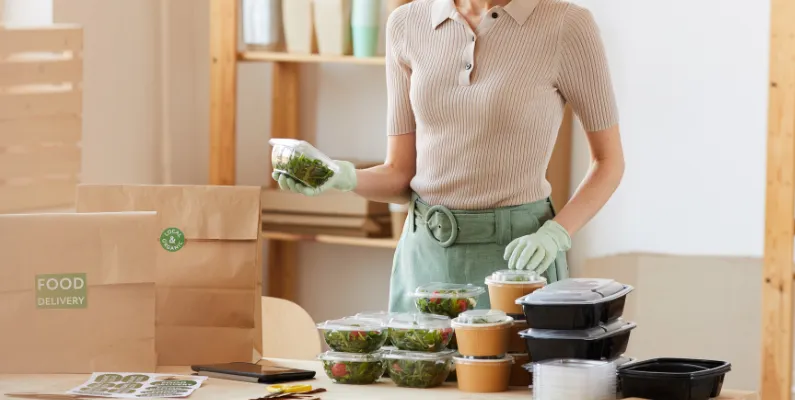
Ghost kitchen delivery has emerged as a game-changing concept in the food industry, offering customers quick, convenient meals without the traditional dine-in experience. These kitchens, also called virtual or cloud kitchens, focus exclusively on preparing food for delivery, allowing restaurants to optimize operations and reach a wider audience.
The rise of ghost kitchen delivery reflects changing consumer behavior, where convenience and speed are paramount. By leveraging technology and streamlined workflows, these kitchens provide high-quality meals efficiently, creating opportunities for both established brands and new culinary entrepreneurs.
Why Ghost Kitchen Delivery is Growing Rapidly
The popularity of ghost kitchen delivery has skyrocketed in recent years. With busy lifestyles, the demand for food that can be ordered online and delivered quickly has never been higher. This model minimizes overhead costs, as these kitchens do not require prime real estate or front-of-house staff.
For example, startups like Reef Kitchens and CloudKitchens have created networks of delivery-only facilities that serve multiple restaurant brands from one location. This innovation allows restaurants to expand their reach, test new menus, and serve customers efficiently without traditional constraints.
How Ghost Kitchens Operate
At the core of ghost kitchen delivery is a streamlined, tech-driven workflow. Orders are primarily received through apps or websites, and kitchens are optimized for rapid meal preparation and packaging.
Unlike traditional restaurants, ghost kitchens focus entirely on back-of-house operations. Ingredients are prepped in bulk, and kitchens often specialize in specific cuisines to maximize efficiency. This specialization ensures consistent quality and faster delivery times, which are critical for customer satisfaction in the delivery market.
Advantages for Restaurant Owners
Ghost kitchen delivery offers numerous advantages for restaurant operators. Lower overhead costs, no need for prime-location real estate, and reduced staffing requirements make this model highly attractive.
Additionally, restaurants can expand their menus or create multiple virtual brands from one kitchen. For instance, a pizza restaurant might operate a separate virtual brand focused on pasta or healthy bowls, all prepared in the same facility. These strategies illustrate how ghost kitchen delivery can drive revenue growth while minimizing traditional risks.
Technology’s Role in Ghost Kitchens
Technology is a cornerstone of ghost kitchen delivery. Advanced POS systems, delivery management software, and integrated ordering platforms enable kitchens to process high volumes efficiently.
Real-time data analytics allows operators to track popular items, peak ordering times, and inventory needs. Many kitchens also leverage AI-driven forecasting to reduce waste and ensure timely preparation, highlighting how innovation enhances the efficiency of ghost kitchen delivery operations.
Benefits for Consumers
Customers benefit from ghost kitchen delivery in multiple ways. Faster service, a wide variety of cuisines, and the convenience of ordering from home are key draws.
Meal quality is often comparable to traditional restaurants, as kitchens are optimized for food preparation rather than ambiance. For busy families, professionals, or urban dwellers, this model provides consistent, high-quality meals at their fingertips, making ghost kitchen delivery a practical and appealing choice.
Popular Menu Options
Ghost kitchens offer diverse menu options to appeal to a wide audience. From gourmet burgers and artisanal pizzas to vegan bowls and sushi, ghost kitchen delivery caters to all tastes.
Some kitchens focus on niche markets, such as health-conscious meals, comfort food, or ethnic cuisine, while others operate multiple brands to reach broader demographics. Home cooks and food enthusiasts alike enjoy the expanded access to high-quality meals made possible by these kitchens.
Marketing Strategies for Ghost Kitchens
Marketing is critical for the success of ghost kitchen delivery. Since these kitchens lack physical storefronts, digital marketing, social media presence, and app partnerships are essential.
Offering promotions, loyalty programs, and targeted advertising helps kitchens attract repeat customers. Many operators also partner with third-party delivery apps to maximize exposure. These strategies demonstrate how ghost kitchen delivery combines culinary skill with strategic digital engagement to thrive in a competitive market.
Sustainability and Efficiency
Ghost kitchen delivery also contributes to sustainability. By consolidating operations and reducing the need for multiple restaurant locations, these kitchens can lower energy use and food waste.
Many kitchens adopt batch cooking and optimized inventory management, ensuring ingredients are used efficiently. This approach aligns with consumer demand for environmentally conscious dining options while maintaining speed and convenience.
Challenges in Ghost Kitchen Delivery
While promising, ghost kitchen delivery faces challenges such as quality control, brand recognition, and dependency on third-party delivery platforms. Maintaining consistency across multiple orders and managing delivery logistics requires careful planning.
However, operators who invest in staff training, technology, and customer feedback mechanisms often overcome these hurdles, demonstrating that thoughtful management is key to successful ghost kitchen delivery operations.
Real-Life Examples
Urban Kitchen, a virtual brand network in New York, operates multiple delivery-only brands from a single location. Their use of ghost kitchen delivery has allowed them to reach more neighborhoods without opening new storefronts, reducing costs and maximizing revenue.
Similarly, a mid-sized chain of Mexican restaurants expanded into vegan bowls and Mediterranean wraps using a ghost kitchen model, doubling their delivery reach while maintaining high-quality food. These examples highlight the versatility and scalability of ghost kitchen delivery.
The Future of Ghost Kitchens
The future of ghost kitchen delivery is promising, with projections showing continued growth as consumer demand for delivery and convenience rises. Integration with AI, robotics, and advanced logistics will further enhance efficiency and scalability.
Restaurants and entrepreneurs embracing this model will likely see opportunities to innovate, diversify menus, and optimize operations. The rise of ghost kitchen delivery marks a significant shift in how food is prepared, marketed, and consumed in the modern era.
Read also:
7059801767
8677679200
5143742413
18552099549