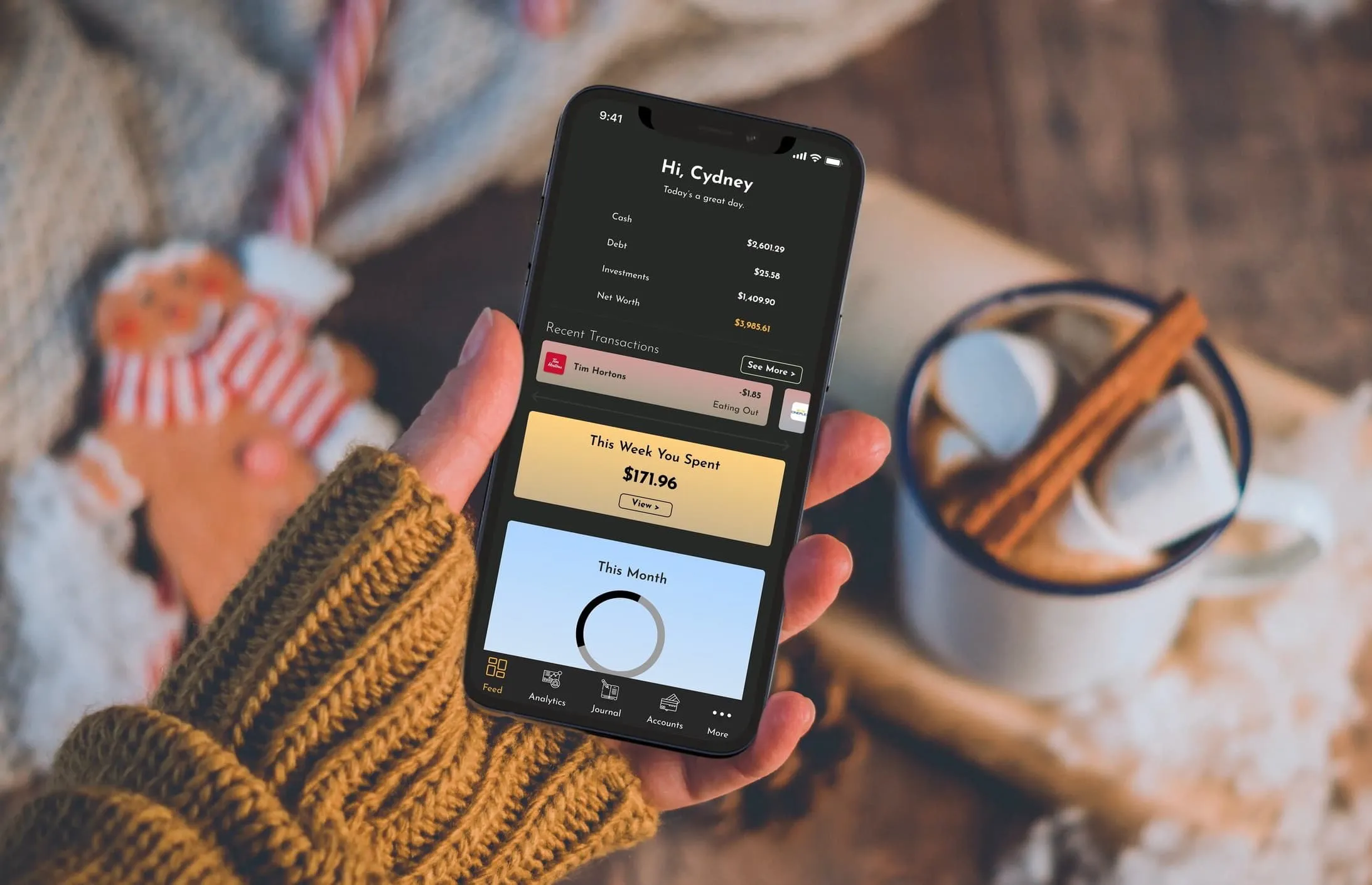
Personal finance apps have quietly become part of everyday life, often without us realizing how much control they’ve given back to ordinary people. A decade ago, tracking expenses meant spreadsheets, bank statements, or mental math that never quite added up. Today, a phone in your pocket can show exactly where your money goes, why it disappears so fast, and what you can do about it.
I still remember downloading my first budgeting app after wondering why my paycheck seemed to vanish within two weeks. There was no dramatic debt crisis, just confusion. That moment of clarity, seeing spending patterns laid out visually, changed how I thought about money forever. This experience is now common, and it explains why these tools are growing so fast.
Money management is no longer reserved for finance professionals or spreadsheet lovers. With intuitive design, automation, and real-time insights, modern tools make financial awareness accessible to anyone willing to take a closer look at their habits.
Table of Contents
ToggleWhy money management feels harder than it should
Despite earning more on average than previous generations, many people feel less financially secure. Subscriptions, digital payments, and instant purchases create frictionless spending. When money moves invisibly, it’s easy to lose control.
Behavioral finance experts often point out that the problem isn’t income alone. It’s awareness. Without clear feedback, the brain struggles to connect daily spending choices with long-term outcomes. This is where technology fills the gap.
Apps designed for personal money tracking translate abstract numbers into understandable stories. They turn bank transactions into patterns, habits, and decisions that feel actionable rather than overwhelming.
How personal finance apps evolved from simple trackers to smart advisors
Early budgeting tools were basic. They required manual input, constant updates, and a lot of discipline. Many users quit within weeks because the effort felt greater than the reward.
Today’s personal finance apps are smarter, faster, and far more supportive. They connect directly to financial institutions, categorize expenses automatically, and update balances in real time. Some even learn from user behavior, offering personalized suggestions rather than generic advice.
What makes this evolution powerful is not the technology itself, but how it respects human behavior. Instead of demanding perfection, modern apps focus on progress. They encourage small improvements, gentle reminders, and realistic goal-setting.
Building financial awareness through everyday use
One of the biggest advantages of digital money tools is how seamlessly they fit into daily routines. Checking a balance becomes as natural as checking the weather. Reviewing spending feels less like a chore and more like a moment of reflection.
Over time, users begin to notice patterns. Coffee runs add up. Weekend spending spikes. Annual subscriptions quietly renew. Awareness alone often leads to better decisions, without strict budgets or financial rules.
This passive learning effect is what makes these tools so effective. They don’t lecture. They show.
Budgeting without guilt or restriction
Traditional budgeting often fails because it feels restrictive. People associate budgets with deprivation, not empowerment. Modern apps flip this mindset.
Instead of telling users what not to do, they show what’s possible. By visualizing how much money is available after essentials, budgeting becomes about choice rather than sacrifice.
Some users discover they can afford small luxuries guilt-free once savings goals are accounted for. Others realize small adjustments unlock bigger opportunities. The emotional shift from fear to clarity is subtle but transformative.
Saving goals that feel achievable
Saving money sounds simple, but emotionally it’s one of the hardest habits to build. Large goals like emergency funds or home down payments can feel intimidating when viewed as a single number.
Apps solve this by breaking goals into manageable milestones. Progress bars, automated transfers, and gentle nudges create momentum. Even modest contributions feel rewarding when progress is visible.
Over time, saving stops feeling like something you should do and starts feeling like something you’re already doing.
Trust, security, and financial confidence
Trust is a critical factor when dealing with money. Users need to know their data is protected and their information handled responsibly. Reputable apps prioritize encryption, read-only access, and transparent privacy policies.
From an EEAT perspective, authority and trustworthiness matter. The most reliable platforms partner with established financial institutions, comply with regulatory standards, and clearly explain how user data is used.
As confidence in the tool grows, confidence in personal financial decisions often follows. Knowing where you stand financially reduces anxiety and replaces uncertainty with clarity.
How personal finance apps support long-term financial planning
Beyond daily tracking, many apps help users think long term. Retirement projections, debt payoff timelines, and net worth tracking provide a broader view of financial health.
Seeing long-term outcomes based on current behavior can be eye-opening. Small changes today may significantly alter future results. This cause-and-effect visualization makes planning feel less abstract and more personal.
Instead of guessing whether you’re on track, you can see it.
Financial education through real-life context
Traditional financial education often fails because it’s too theoretical. Concepts like compound interest or debt ratios feel disconnected from everyday life.
Apps teach through context. When users see how interest affects their own credit card balance, the lesson sticks. When investment growth is tied to real accounts, learning becomes practical.
This experiential education builds genuine financial literacy, not just surface-level knowledge.
Emotional benefits of financial clarity
Money stress affects mental health more than many people realize. Uncertainty creates background anxiety that seeps into daily life. Even people who earn well may feel constant unease if they lack clarity.
Using personal finance apps often reduces this stress simply by replacing the unknown with information. Knowing your numbers, even if they’re not perfect, is empowering.
Financial clarity doesn’t mean financial perfection. It means understanding where you are and what your options are.
Real-world example of financial transformation
A freelance designer I worked with struggled with inconsistent income. Some months were great, others stressful. She wasn’t overspending, but the unpredictability created constant worry.
After using a finance app to track cash flow, she identified her true monthly baseline. She built a buffer during strong months and adjusted spending during slower ones. Within six months, her stress levels dropped significantly, without earning more money.
The tool didn’t change her income. It changed her awareness and planning.
Choosing tools that align with personal values
Not all apps are created equal, and not every feature suits every lifestyle. Some users prioritize simplicity, while others want advanced analytics. Some care deeply about ethical investing, others about aggressive debt reduction.
The best results come from choosing tools that align with personal goals and comfort levels. When the tool fits naturally, consistency follows.
Consistency, more than perfection, drives long-term financial improvement.
The future of personal finance apps and money management
Technology continues to evolve, and so does personal finance. Artificial intelligence, predictive analytics, and deeper personalization are shaping the next generation of tools.
Future apps may anticipate financial challenges before they happen, suggest proactive adjustments, and integrate seamlessly with broader life planning. The focus will likely shift from tracking the past to guiding the future.
What remains constant is the human need for clarity, control, and confidence around money.
Why these tools matter more than ever
In an economy filled with uncertainty, inflation concerns, and complex financial products, access to clear information is empowering. Financial confidence is no longer about expertise. It’s about awareness and adaptability.
By making financial data understandable and actionable, personal finance apps democratize money management. They give individuals tools once reserved for professionals.
The real value isn’t in the technology itself. It’s in how it helps people feel calmer, more prepared, and more in control of their financial lives.
Final perspective on everyday financial empowerment
Managing money will never be entirely effortless, but it no longer has to be confusing or intimidating. With the right digital tools, financial awareness becomes part of daily life rather than a once-a-year event.
For anyone seeking clarity, confidence, and better habits, thoughtfully chosen apps can become trusted companions on the journey toward financial stability. The transformation doesn’t happen overnight, but it starts the moment you begin paying attention.
Read also:
pittsburgh pirates vs chicago cubs match player stats
is hily dating app legit
877-770-8065
is hily good for hookups
hily app review